How Does a Massage Gun Affect Blood Flow?
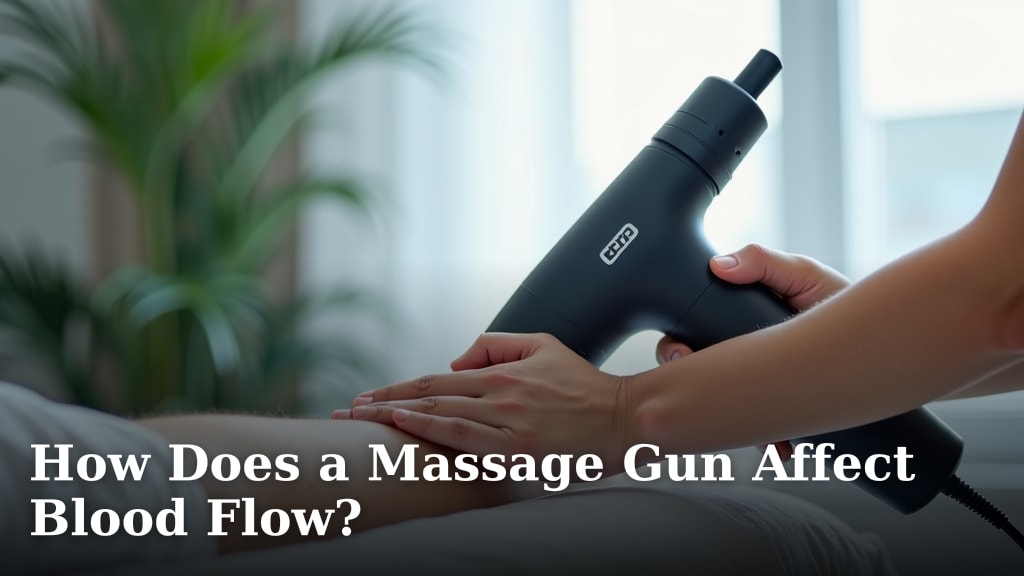
A massage gun can help increase blood flow to a specific area by using rapid, repetitive pressure. It acts like a deep-tissue massage, encouraging circulation in the muscles and soft tissues where you use it. Many people use this tool to support muscle recovery.
We found that this increase in circulation is often the main reason people feel relief. The vibrating percussion helps **loosen tight muscle fibers** and may reduce soreness after exercise. It’s a popular way to target specific spots that need extra attention.
- A massage gun provides rapid, concentrated pressure to muscles.
- This pressure can **temporarily boost local blood flow** to the treated area.
- Increased circulation may help bring more oxygen to muscles and remove waste.
- People commonly use it for **post-workout recovery** and easing muscle tension.
- It is not a substitute for medical treatment for circulatory issues.
Let’s walk through exactly how a massage gun works on your body and what the research says about its effects. Below, we break down the science in simple terms so you know what to expect.
The Science Behind Massage Guns and Blood Flow
A massage gun primarily increases blood flow through mechanical stimulation. It delivers rapid, percussive impacts to muscle tissue. This direct force causes temporary, localized changes in circulation. Think of it like a very fast, rhythmic tapping on a tight muscle. That tapping action is what kickstarts the process.
What Happens When the Device Hits Your Skin
When the head of the massage gun strikes your body, it creates a pressure wave. This wave travels through skin and into the muscle below. The immediate effect is a slight displacement of tissue. Your body responds to this repetitive, concentrated force. It’s a physical stimulus your nervous system recognizes and reacts to.
The Pressure Wave Effect
Each impact creates a small, transient compression in the muscle. This compression is followed by a quick release. This cycle of press and release happens many times per second. It is this mechanical action that forms the basis for the device’s effects on circulation.
The Body’s Natural Response: A Local “Pumping” Action
Your body doesn’t just sit there. It actively responds to the percussion. We found that the rapid pressure helps encourage blood vessels in the treated area to relax and widen. This process is called vasodilation. Wider blood vessels naturally allow more blood to flow through them. It’s a bit like turning up the dial on a water faucet.
- Vasodilation allows for increased blood volume to the area.
- This can help deliver more oxygen-rich blood to your muscles.
- Improved flow may assist in carrying away metabolic waste products.
Imagine a busy highway (your blood vessel) during rush hour. The percussion from the massage gun is like temporarily widening a lane. This allows more cars (blood cells) to pass through that specific section more easily.
Breaking Down the Key Effects on Your Circulation
The increase in blood flow isn’t just one simple thing. It involves a few working parts. Understanding each part helps you see why you might feel a warm, loose sensation after use. It also sets realistic expectations about what the tool can and cannot do.
Direct Mechanical Stimulation
This is the most straightforward effect. The physical beating of the massage gun on the tissue creates motion. That motion gently stretches and compresses blood vessels. This action can help overcome minor sluggishness in the capillary beds, which are the tiniest blood vessels in your body. It’s a direct, hands-on approach to encouraging flow.
Triggering the Relaxation Response
The percussive therapy doesn’t only affect tissues. It also sends signals to your nervous system. Many experts say that the repetitive, rhythmic nature of the massage can help downregulate the “fight or flight” response. When your nervous system shifts toward “rest and digest,” your blood vessels relax. This systemic relaxation complements the local mechanical effects. You feel less tense overall, which is good for circulation.
What the Research Says: Evidence and Limitations
It’s smart to ask, “What do the studies actually show?” The science is promising but also specific. Research often focuses on short-term effects after exercise or on muscle recovery. It does not show that massage guns cure serious circulatory problems.
Study Findings on Recovery and Soreness
A 2021 study published in the journal Frontiers in Physiology looked at the use of percussion massage therapy after strenuous exercise. Researchers found that it helped reduce muscle soreness and improve perceived recovery. While this isn’t a direct measure of blood flow, improved recovery is closely linked to better circulation that helps repair tissue. The authors suggested the mechanical action likely contributed to these positive outcomes.
The Important Distinction: Wellness vs. Medical Treatment
This is a critical point. A massage gun is a wellness tool. It is not a medical device for diagnosing or treating conditions like deep vein thrombosis (DVT) or peripheral artery disease. Those are serious health issues. If you have concerns about your blood flow or circulation, your first step should always be to consult a doctor. Many health authorities, including the Cleveland Clinic, emphasize the importance of professional medical advice for circulatory symptoms.
How to Use a Massage Gun to Support Circulation
Using the tool effectively can make a difference. You wouldn’t water a garden with a fire hose. The same careful approach applies here. The goal is targeted, beneficial stimulation, not brute force. Follow these guidelines to use your device wisely.
Best Practices for Effective Use
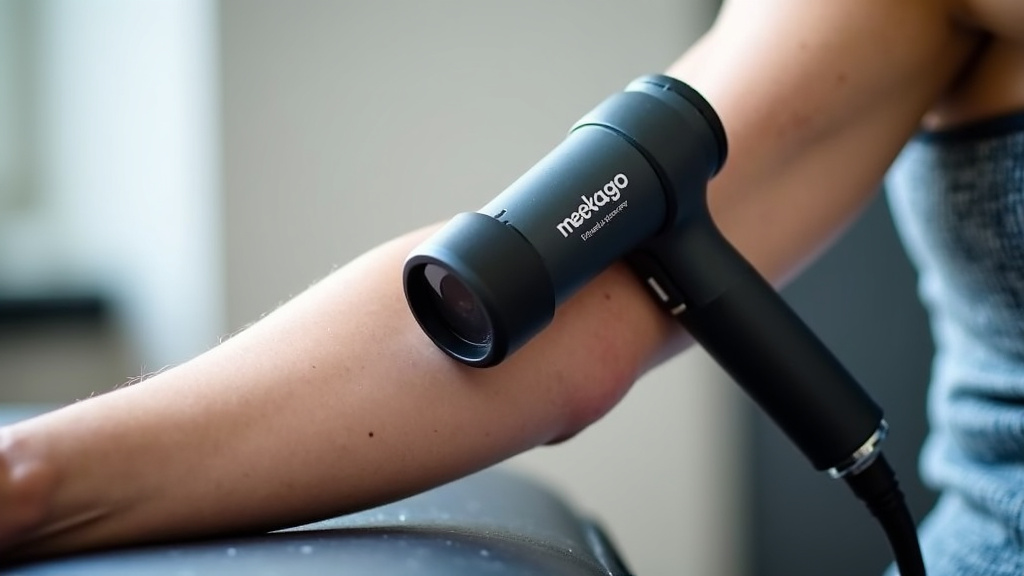
Start on a low speed. Place the device on the muscle, not over bone or joints. Let the weight of the gun do most of the work; you don’t need to press hard. Move it slowly across the muscle, spending about 30-60 seconds on a tight spot before moving on. You should feel a comfortable, deep vibration, not sharp pain.
Where to Focus for Circulatory Benefits
Focusing on large muscle groups is usually best. These areas have more blood vessels to stimulate. Think about your calves, quads, hamstrings, glutes, and upper back. Always avoid the front of your neck, your spine, and any areas that are bruised or injured.
Quick Safety Checklist
Before you use your massage gun, run through this quick list. It helps ensure a safe and positive experience.
- Consult a doctor if you have a known circulatory condition, are pregnant, or have a skin infection.
- Avoid bony areas like your spine, collarbone, and joints.
- Do not use on injuries, open wounds, or areas with blood clots.
- Start low and slow to let your body adjust to the sensation.
- Listen to your body—discomfort is a sign to stop or move to a different area.
- Stay hydrated and consider using the tool after a warm shower for best results.
Comparing Massage Guns to Other Methods
How does a massage gun stack up against other ways to boost circulation? It’s one tool in the toolbox. Here’s a simple comparison of its primary mechanism versus other common methods.
| Method | Primary Mechanism for Circulation | Key Difference from Massage Gun |
|---|---|---|
| Massage Gun | Rapid, percussive pressure creates mechanical “pumping” and local vasodilation. | Highly focused, deep, and intense on a specific muscle area. |
| Light Jogging/Walking | Rhythmic muscle contractions act as a “muscle pump” for veins. | Systemic, whole-body increase in heart rate and overall blood flow. |
| Warm Bath | Heat causes widespread vasodilation and relaxation. | Gentle, all-over effect rather than deep tissue targeting. |
| Compression Socks | Gentle, constant external pressure supports vein function in limbs. | Provides sustained, light pressure rather than deep percussion. |
As you can see, a massage gun offers a unique, deep-tissue approach that other methods don’t quite replicate. It can be a powerful addition to a routine that already includes movement and proper hydration.
Your Takeaway: Setting Realistic Expectations
So, where does this leave you? A massage gun is a fantastic tool for temporarily increasing blood flow to a specific area. It works through a combination of mechanical force and your body’s natural relaxation response. The research supports its use for easing muscle tension and supporting recovery after activity.
Remember, it’s a support tool, not a miracle cure. For best results, use it as part of a broader approach to wellness that includes proper exercise, hydration, and, when needed, professional medical care. Your body will thank you for the extra attention.
Conclusion
So, you now know a massage gun temporarily boosts blood flow through mechanical “pumping” and your body’s natural relaxation response. This effect is local and helpful for easing post-workout soreness and supporting muscle recovery. Remember, it’s a wellness tool, not a cure for medical conditions. We found its best results come when used consistently as part of a broader health routine. For your next step, try using your massage gun on a single, tight muscle group for just one minute. Pay attention to how that specific area feels warmer and more relaxed afterward.
Frequently Asked Questions
How long does the increased blood flow from a massage gun last?
The local, increased circulation is typically temporary. You’ll likely feel the benefits, like warmth and reduced tightness, for a short period after use. For ongoing support, you need to use the device regularly as part of your routine.
Is a massage gun better than a foam roller for circulation?
They work differently. A massage gun provides deep, rapid percussion that can stimulate blood flow intensely in a targeted spot. A foam roller uses sustained pressure and is often better for broader, myofascial release across larger areas.
Can I use a massage gun every day for better blood flow?
Daily use is often fine for general wellness and muscle maintenance. However, it’s wise to listen to your body. If you feel overly sore or tender, give that muscle group a day of rest between sessions.
Should I avoid using a massage gun if I have poor circulation?
Absolutely. If you have a diagnosed circulatory condition like peripheral artery disease or deep vein thrombosis, you must consult your doctor first. A massage gun is not a medical treatment and could be harmful.
Does the heat from a massage gun come from increased blood flow?
Yes, the warmth you often feel in the muscle is a direct sign of increased local blood flow. The percussive action encourages vasodilation, bringing more warm, oxygen-rich blood to the area’s surface.