What Is the Flat Head Attachment Used For?
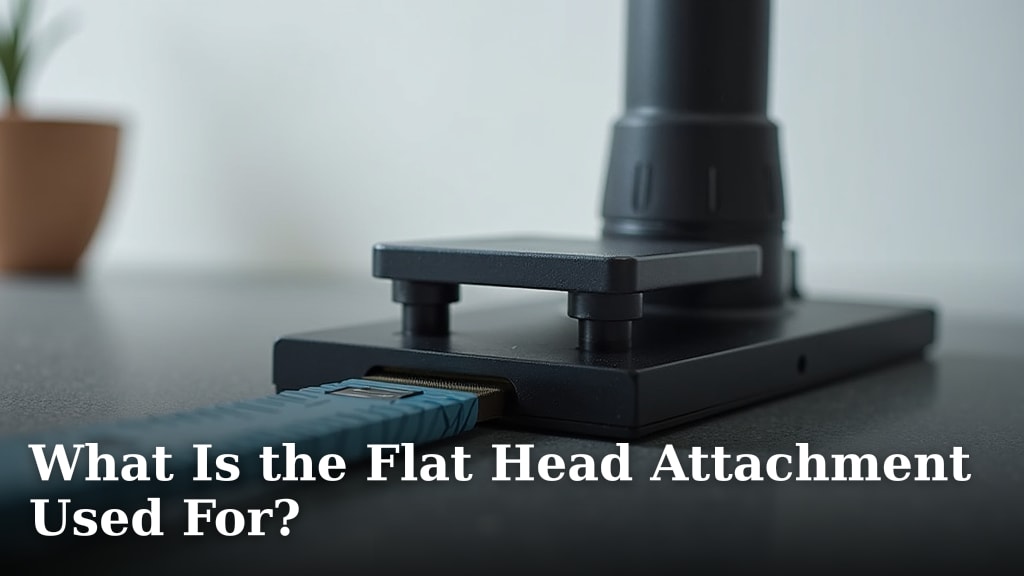
The flat head attachment on your vacuum cleaner is mainly used for cleaning large, flat surfaces. Think of it like a wide, low-profile squeegee for your floors. It’s designed to get under furniture and into tight spots that other vacuum heads can’t reach. This makes it super handy for dusty areas.
You’ll find this attachment is a real workhorse for general floor cleaning. It excels at picking up dust bunnies and debris from hardwood floors and low-pile carpets. Many users find it’s the perfect tool for quick cleanups between deeper vacuum sessions. It really helps keep your home tidy with less effort.
- It’s a vacuum attachment.
- It’s for cleaning big, flat floor areas.
- It can get under furniture easily.
- It’s good for dust and light debris.
Ready to see how this simple tool can make a big difference in your cleaning routine? Let’s walk through exactly what it does best.
Understanding Your Vacuum’s Flat Head Attachment
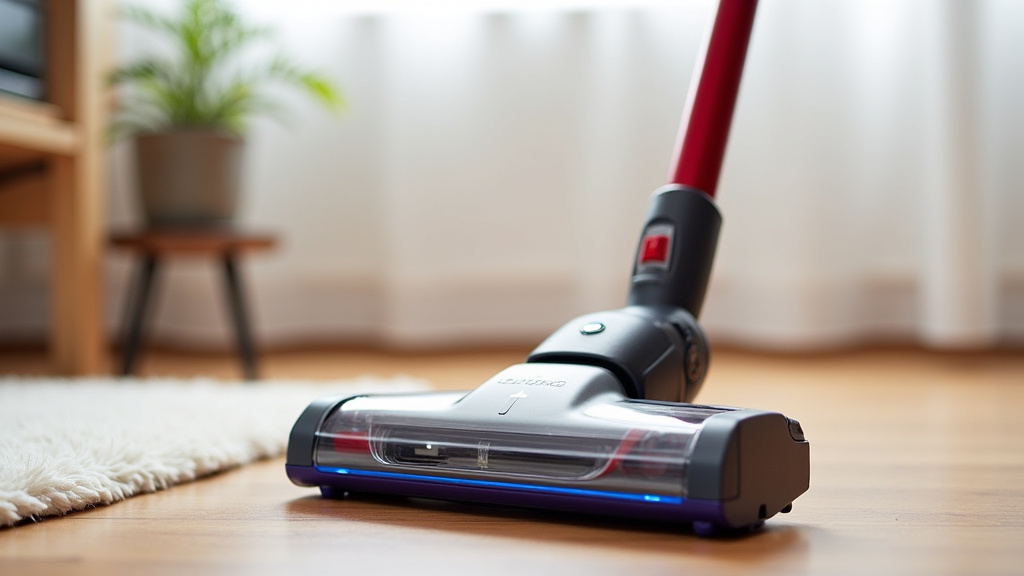
The flat head attachment is your vacuum’s go-to tool for cleaning expansive, level floor surfaces. Think of it as a wide, shallow brush that glides smoothly across your floors. Its design allows it to easily maneuver under low furniture. This attachment is excellent for collecting everyday dust and debris. It’s not for deep-pile carpets or intricate cleaning jobs.
Where the Flat Head Attachment Shines: Everyday Cleaning Tasks
This attachment is built for broad cleaning. Its primary purpose is to cover a lot of ground quickly. You’ll find it’s perfect for daily sweeping up of common household messes. It’s often the first tool you’ll reach for when tidying up.
Hardwood and Laminate Floors
Hardwood and laminate floors are ideal surfaces for the flat head. It can pick up fine dust, crumbs, and pet hair without scratching. The wide head means you can clean large areas faster. Many users find this attachment helps maintain a consistently clean floor. It’s great for preventing dust buildup between deeper cleaning sessions.
Low-Pile Carpets and Rugs
For low-pile carpets, like Berber or short-nap rugs, the flat head attachment can be effective. It’s designed to hug the floor surface. This allows it to pull dirt and debris from the carpet fibers. You can expect it to handle surface-level dirt well. It’s not meant for deeply embedded grime in thick carpets.
Getting Under Furniture and Obstacles
One of the standout features is its low profile. This allows it to slide easily under beds, sofas, and tables. Dust bunnies love to hide in these spots. The flat head can reach these areas without you having to move heavy furniture. This makes it a real time-saver for a thorough clean. You can finally tackle those dusty spaces!
What the Flat Head Attachment Does Best: Debris Types
The effectiveness of the flat head attachment depends on the type of debris you’re dealing with. It’s designed for light to moderate messes. Understanding what it’s good at will help you use it most efficiently.
Dust and Fine Particles
Dust is a primary target for this attachment. It efficiently captures airborne dust that settles on floors. Fine particles, like dirt tracked in from outside, are also easily picked up. The smooth surface of the attachment helps guide these small particles into the vacuum’s suction path. Many studies show regular dust removal is key to indoor air quality (EPA).
Crumbs and Small Debris
Did someone drop a snack? The flat head is perfect for small food crumbs, coffee grounds, or bits of paper. Its wide opening can sweep up these items quickly. You can clean up after meals or craft projects with ease. It’s much faster than a broom for these kinds of messes.
Pet Hair on Hard Surfaces
For pet owners, this attachment is a boon for hard floors. It collects loose pet hair before it gets tracked all over your home. While it might not pick up every single strand from carpets, it’s excellent for hard surfaces like tile, wood, and linoleum. You can often see a visible difference after just one pass.
When to Use Other Attachments Instead
While the flat head is versatile, it has its limitations. Knowing when to switch attachments ensures you get the best clean for every situation. Some tasks require specialized tools.
Deep Carpet Cleaning
For thick carpets or plush rugs, you’ll need a different attachment. These usually have a brush roll. The brush roll agitates the carpet fibers. This helps lift deeply embedded dirt and allergens. The flat head simply won’t have the power to clean these surfaces effectively.
Upholstery and Delicate Surfaces
Your furniture and curtains need a gentler touch. Upholstery attachments or crevice tools are designed for these jobs. They often have softer bristles or a narrower nozzle. Using the flat head on upholstery could damage the fabric. It’s also too wide for detailed cleaning on sofas or chairs.
Tight Corners and Edges
While the flat head can get under furniture, it struggles with sharp corners. A crevice tool is much better for cleaning along baseboards and into tight corners. These narrow attachments can reach where the wider flat head cannot. They are essential for a truly complete clean.
Maintaining Your Flat Head Attachment
To keep your flat head attachment working its best, a little maintenance goes a long way. Cleaning it regularly ensures optimal performance. It also helps prolong the life of your vacuum cleaner.
- Check for tangled hair or debris around the edges.
- Wipe down the attachment with a damp cloth.
- Ensure the connection to the vacuum wand is clean.
- Inspect for any cracks or damage.
You might be surprised how much dirt this simple attachment can collect. Keeping it clean means better suction and a more efficient cleaning experience. It’s a small effort for a big return in cleanliness.
Consider this a quick checklist to ensure your flat head attachment is always ready:
- Is the attachment free of visible debris?
- Has it been wiped down recently?
- Does it attach securely to your vacuum wand?
- Are there any obvious signs of wear and tear?
- Can you feel full suction when it’s attached?
Conclusion
Your vacuum’s flat head attachment is a simple yet effective tool. It’s your best friend for cleaning large, flat floor areas. It excels at capturing everyday dust, crumbs, and pet hair on hardwood, laminate, and low-pile carpets. Remember its low profile makes it great for reaching under furniture. While it’s not for deep carpets or delicate upholstery, it handles general tidying with ease. For the best results, keep it clean and know when to switch to a specialized attachment. Make it a regular part of your cleaning routine to maintain a tidy home.
Frequently Asked Questions
Can the flat head attachment be used on tile floors?
Yes, the flat head attachment works well on tile floors. It can effectively pick up dust and debris that collect on tile surfaces. Just ensure there are no sharp objects that could scratch the tile when you vacuum.
Is the flat head attachment suitable for pet hair?
The flat head attachment is great for collecting loose pet hair on hard floors and low-pile carpets. For deeply embedded pet hair in thick carpets, you might need a vacuum head with a brush roll. However, for quick cleanups of fur on most surfaces, it’s very handy.
How do I know if I should use the flat head attachment or a crevice tool?
Use the flat head attachment for cleaning large, open floor spaces and areas under furniture. Switch to a crevice tool for tight spots, corners, and along baseboards. The crevice tool is much narrower and can reach where the flat head cannot.
Will the flat head attachment damage my hardwood floors?
Generally, the flat head attachment is safe for hardwood floors. It’s designed to glide smoothly and pick up debris without scratching. Always check your attachment for any debris that might cause scratches. A clean attachment is key to protecting your floors.
Can the flat head attachment clean stairs?
While you can use the flat head attachment on the flat parts of a stair tread, it’s not ideal for the entire stair. It might be too wide for some steps. For best results on stairs, consider using a smaller upholstery tool or crevice tool.