What to Look for in a Massage Gun: A Simple Guide?
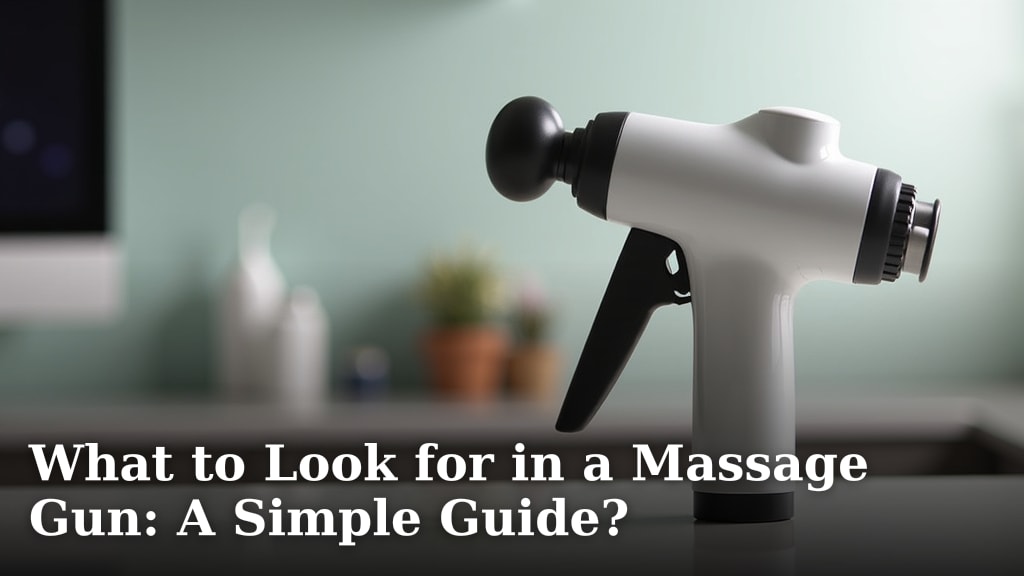
When choosing a massage gun, look for models with adjustable speed settings and interchangeable heads to target different muscle groups effectively. You’ll want a gun that feels balanced in your hand, not too heavy or awkward. Think about the battery life too; a longer charge means more massage sessions before needing to plug it in.
Finding the right massage gun can feel overwhelming with so many options available. We’ve looked at what makes a massage gun work well for users seeking muscle relief. Key features like amplitude (how deep it hits) and Quiet operation can make a big difference in your experience.
- Look for adjustable speed and multiple head attachments.
- Consider the weight and how it feels in your hand.
- Check for decent battery life for extended use.
- Pay attention to amplitude for effective muscle work.
- A quieter model is often more pleasant to use.
Let’s walk through the essential features to consider when you’re looking for your perfect massage gun.
Choosing Your Ideal Percussion Massager: A Practical Guide
Finding the right massage gun means understanding a few key features. It’s not just about power; it’s about how that power is delivered. We’ve broken down what matters most. This will help you make a smart choice. You want a tool that fits your needs. It should help you feel better, not cause more frustration.
Understanding the Core Features of a Massage Gun
Amplitude: How Deep Does It Go?
Amplitude refers to how far the massage gun’s head moves. Think of it as the depth of the massage. A higher amplitude means the gun can reach deeper into your muscles. This is often better for breaking up knots. It’s especially helpful for athletes or those with deep muscle tension. Many experts suggest an amplitude of 10mm or more for effective deep tissue work (American Physical Therapy Association). Lower amplitudes might feel more superficial. They can still be good for relaxation. But for true percussive therapy, look for that deeper reach.
Stall Force: When Does It Slow Down?
Stall force measures how much pressure a massage gun can take before slowing down or stopping. It’s measured in pounds. A higher stall force means the gun can handle more pressure. This is important if you tend to press down firmly during a massage. If you have tight muscles, you might need more pressure. A gun with a low stall force might stop working. This can interrupt your massage. We found that a stall force of 30-40 pounds is generally sufficient for most users. Some professional-grade guns boast much higher numbers. But for everyday use, this range is a good target.
Speed Settings: Finding Your Sweet Spot
Adjustable speed is a must-have feature. It allows you to customize the intensity of your massage. Most guns offer a range of speeds, often measured in Percussions Per Minute (PPM). Starting with a lower speed is wise. This lets your muscles adjust. You can then increase the speed as needed. Some research suggests that lower frequencies are better for warming up muscles. Higher frequencies can be effective for recovery (Journal of Strength and Conditioning Research). Having multiple speed options gives you versatility. You can use it for different purposes. This includes pre-workout warm-ups and post-workout recovery.
Interchangeable Massage Heads: Tailoring Your Treatment
A good massage gun comes with several different head attachments. Each head is designed for a specific purpose and muscle group. You’ll often find a large round ball for general muscle work. A flat head is good for broader areas. A bullet-shaped head is perfect for targeting small, specific trigger points. Some guns include a fork-shaped head for areas like the spine. Having these options means you can effectively treat different parts of your body. It’s like having a variety of massage tools in one device. This flexibility makes the gun much more useful.
Noise Level: Quiet is Often Better
Let’s be honest, some massage guns can be quite loud. This can be annoying. It might even make it hard to relax. Or you might not be able to use it when others are around. Look for models that advertise their noise level. Many brands now focus on creating quieter motors. We found that guns operating below 50 decibels are generally considered quiet. That’s about the sound of normal conversation. A quieter gun makes for a much more pleasant experience. You can use it while watching TV or without disturbing your family.
Practical Considerations for Everyday Use
Weight and Ergonomics: How Does It Feel?
You’ll be holding this device, sometimes for several minutes at a time. The weight of the massage gun is important. A heavy gun can be tiring to hold. It might also be awkward to maneuver. Look for a gun that feels balanced in your hand. It should be easy to reach all areas of your body. Many guns have an ergonomic handle design. This helps reduce hand fatigue. Try to hold one if you can before buying. If not, read reviews that specifically mention the gun’s weight and comfort.
Battery Life: Power That Lasts
A massage gun is useless if its battery is always dead. Check the advertised battery life. This is usually given in hours of use per charge. Aim for a gun that offers at least 2-3 hours of use. Some high-end models can last much longer. Consider how often you plan to use it. If you plan on daily sessions, longer battery life is a big plus. Also, check how long it takes to recharge. A quick charging feature can be very convenient. Many users find that a removable battery is also a handy feature. It allows for easy replacement if needed.
Durability and Build Quality: Will It Last?
You want a massage gun that’s built to last. Cheaply made devices can break easily. Look for sturdy materials. Reviews often mention if a gun feels “plasticky” or well-constructed. Check the warranty offered. A longer warranty period can indicate the manufacturer’s confidence in their product. A well-built gun will withstand regular use. It won’t feel flimsy or prone to breaking. This is an investment in your well-being. You want it to serve you for a good while.
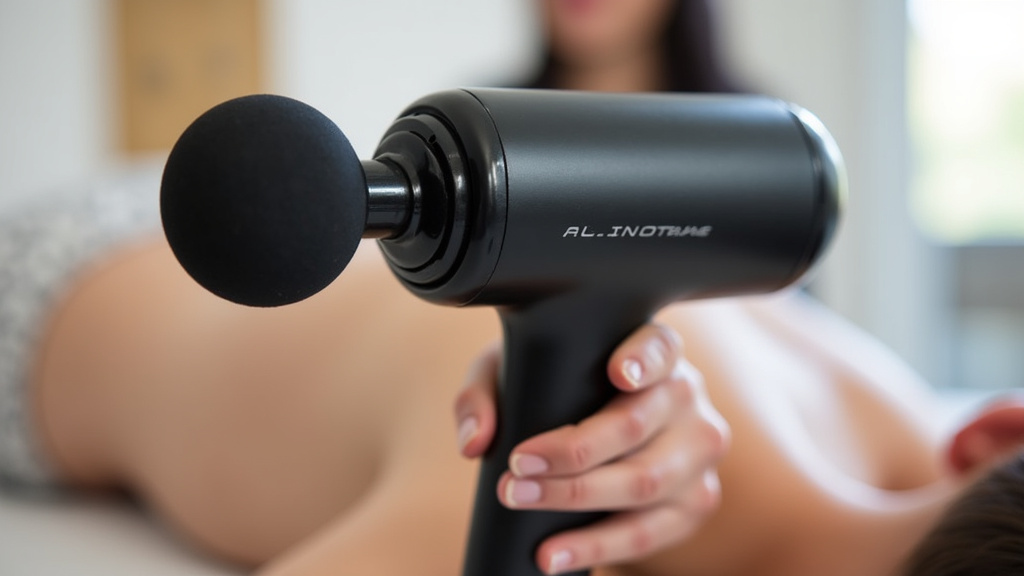
Comparing Key Massage Gun Specifications
To make things clearer, let’s look at some typical ranges for these features. This can help you compare models easily. Remember, the “best” specs often depend on your personal needs and budget.
| Feature | Good Range for Most Users | Professional/High-End |
|---|---|---|
| Amplitude | 10-12mm | 14mm+ |
| Stall Force | 30-40 lbs | 50+ lbs |
| Speed Settings | 3-5 levels (approx. 1800-3000 PPM) | 5+ levels (broader range) |
| Battery Life | 2-4 hours | 4+ hours |
| Noise Level | <50 dB | <45 dB |
Your Massage Gun Checklist
Before you click “add to cart,” run through this quick checklist:
- Does it have adjustable speed settings?
- Does it come with multiple head attachments?
- Does the weight feel comfortable for you?
- What is the advertised battery life?
- Does the manufacturer offer a decent warranty?
- Have you read reviews about its noise level and durability?
Conclusion
You’ve learned what makes a great massage gun. Focus on amplitude for deep muscle work. Look for sufficient stall force to avoid interruptions. Adjustable speed settings and multiple massage heads offer versatility. Don’t forget comfort; consider the gun’s weight and ergonomics. Finally, check the battery life so your sessions aren’t cut short. By keeping these features in mind, you can find a massage gun that truly meets your needs. Take this checklist with you on your next shopping trip.
Frequently Asked Questions
What is the most important feature in a massage gun?
The most important feature is often amplitude, which determines how deep the gun penetrates your muscles. For effective percussive therapy, especially for deep tissue work, aim for an amplitude of at least 10mm. This ensures the gun can reach and treat deeper muscle knots and tension effectively.
How much does a good massage gun typically cost?
Massage guns range widely in price. You can find basic models for under $100, while high-end professional versions can cost $300 or more. For everyday users seeking effective relief, many well-regarded models fall in the $150-$250 range. Look for brands with good reviews and solid warranties.
Can a massage gun be too powerful for me?
Yes, a massage gun can feel too powerful if the settings are too high for your tolerance. This is why adjustable speed settings are essential. Always start on the lowest speed and gradually increase it as your body gets used to the sensation. Different massage heads also offer varied intensity.
Are massage guns safe to use on my neck or spine?
It’s generally advised to avoid using massage guns directly on your neck or spine. The intense vibrations can potentially cause harm. Stick to using them on your larger muscle groups like your legs, back, and arms. If you have any injuries or concerns, consult with a healthcare professional first.
How long should a massage session with a gun last?
For any given muscle group, limit your massage session to about 30 seconds to 2 minutes. Overdoing it can lead to bruising or irritation. Listen to your body and stop if you feel any discomfort. Shorter, more frequent sessions are often more beneficial than one long one.