How Do Massage Guns Loosen Tight Muscles?
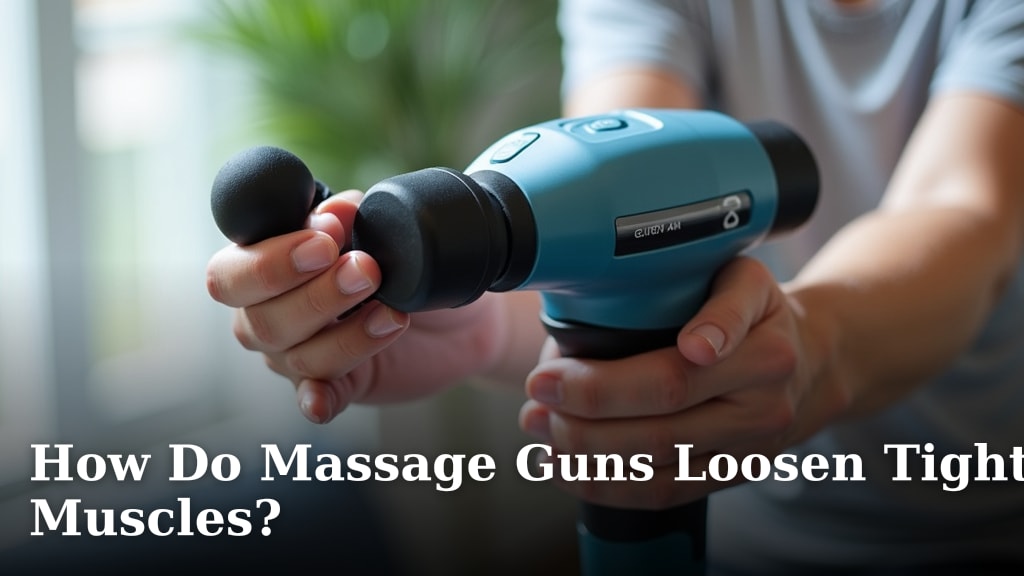
Massage guns loosen tight muscles by using rapid pulses and vibrations. These movements help to break up knots and adhesions in your soft tissues. This process can also improve blood flow to the affected area, which aids in muscle recovery.
When you use a massage gun, it targets the fascia, which is the connective tissue surrounding your muscles. The percussive action works deep into the muscle to release tension. Many people find them helpful for post-workout soreness and general stiffness.
- Massage guns use fast vibrations to target muscle knots.
- This action helps to release tension and improve blood flow.
- It can be effective for muscle soreness and stiffness.
- Think of it as a deep tissue massage in your hands.
Let’s take a closer look at how these handy devices work their magic on your muscles.
Understanding How Massage Guns Work on Tight Muscles
Massage guns deliver rapid bursts of pressure deep into your muscles. This action is often called percussive therapy. It helps to release muscle tightness and knots. Let’s explore the science behind how these devices help you feel better.
The Science of Percussion
Think of your muscles like a bundle of tiny threads. When they get tight, these threads can become bunched up or stuck. This is often what we call a “knot.” Percussive therapy uses quick, forceful taps. These taps mimic the actions of a deep tissue massage. The speed and depth of the massage gun’s action are key to its effectiveness.
What is Percussive Therapy?
Percussive therapy is a type of massage. It uses rapid, repetitive pulses. These pulses penetrate the muscle tissue. The goal is to reduce muscle soreness and speed up recovery. It targets the fascia, the connective tissue surrounding muscles. Releasing tension in the fascia can help your muscles move more freely.
How Fast is “Fast”?
Massage guns work at high frequencies. This means they deliver many taps per minute. The typical range is between 1,200 and 3,000 percussions per minute (PPM). This high speed is what allows the gun to reach deep into the muscle belly. It’s different from a slower, kneading massage.
Breaking Up Muscle Knots and Adhesions
Muscle knots, or trigger points, are tight spots in your muscles. They can cause pain and limit your range of motion. Massage guns are designed to target these specific areas. The repetitive impacts can help to disrupt these tight bands of muscle fibers.
What Happens When a Knot is Hit?
When the massage gun hits a knot, it creates tiny vibrations. These vibrations help to loosen the fibers that are stuck together. It’s like carefully untangling a knot in a rope. The pressure can also trigger a relaxation response in the muscle. This helps the muscle fibers to release their tension.
Fascial Release Explained
Fascia is a web of connective tissue. It covers your muscles, bones, and organs. Sometimes, fascia can become tight or restricted. This is called fascial adhesion. Massage guns can help to release these fascial restrictions. This allows muscles to glide smoothly against each other.
Improving Blood Flow and Circulation
One of the major benefits of using a massage gun is increased blood flow. When muscles are tight, blood flow can be reduced. This can slow down recovery. The percussive action helps to stimulate circulation in the treated area.
Why Blood Flow Matters for Muscles
Blood carries oxygen and nutrients to your muscles. It also removes waste products like lactic acid. When you exercise, your muscles use up oxygen and produce waste. Better blood flow helps to replenish oxygen and clear out waste faster. This can reduce muscle soreness after workouts.
The Vasodilation Effect
The rapid tapping of a massage gun can cause vasodilation. This means your blood vessels widen. Wider blood vessels allow more blood to flow through. This increased circulation helps muscles heal more quickly. It can also reduce inflammation. Many studies have shown the positive effects of massage on circulation (NIH).
How Massage Guns Affect the Nervous System
Massage guns don’t just work on the physical muscle. They also interact with your nervous system. This interaction can help reduce the feeling of pain and muscle tightness.
Reducing Neuromuscular Excitability
When a muscle is tight, its nerves can be overly sensitive. This sensitivity can make the muscle feel even tighter. The rapid vibrations from a massage gun can help to calm down these overactive nerves. This is sometimes called reducing neuromuscular excitability. It can make the muscle feel more relaxed.
The Gate Control Theory of Pain
You might have heard of the Gate Control Theory of pain. This theory suggests that non-painful touch signals can block pain signals from reaching the brain. The vibrations from a massage gun act as these non-painful signals. They can help to override pain signals from tight or sore muscles.
Different Massage Gun Attachments and Their Uses
Most massage guns come with a variety of attachments. Each one is designed for specific areas of the body. Using the right attachment can make your massage more effective and comfortable.
| Attachment | Best For | Use |
|---|---|---|
| Ball (Large) | Large muscle groups (thighs, glutes) | General massage, deeper penetration |
| Fork | Spine, neck, calves | Working around bony areas, targeting two sides of the spine |
| Bullet | Trigger points, specific knots | Very focused pressure on small areas |
| Flat | All body parts, broad areas | Softer massage, good for beginners |
Choosing the Right Head
For large, muscular areas like your quads or hamstrings, a large ball head is usually best. It covers more surface area. If you have a specific, stubborn knot, the bullet head offers pinpoint precision. For sensitive areas or overall relaxation, a flat head is a good choice.
When to Use Your Massage Gun for Tightness
Timing can be everything when you want to loosen tight muscles. You can use your massage gun before or after physical activity.
Pre-Workout Warm-up
Using a massage gun for a few minutes before exercise can help prepare your muscles. It increases blood flow and muscle activation. This can lead to a better warm-up. It makes your muscles feel more ready for action. Start with lighter pressure and lower speeds for a warm-up.
Post-Workout Recovery
After a tough workout, your muscles might feel sore and tight. Using a massage gun can help speed up recovery. It aids in removing metabolic waste products. This process can reduce delayed-onset muscle soreness (DOMS). Focus on the areas that feel the most fatigued.
Daily Stiffness and Mobility
Even if you’re not an athlete, you can get tight muscles from daily life. Sitting at a desk or standing for long periods can cause stiffness. Regular use of a massage gun can help maintain muscle flexibility. It can improve your overall range of motion. This makes everyday movements feel easier.
Tips for Effective Muscle Loosening
To get the most out of your massage gun, follow a few simple guidelines. These will help ensure you are using it safely and effectively.
- Don’t stay on one spot too long. Move the gun slowly over the muscle.
- Avoid bony areas. Focus on the muscle tissue itself.
- Listen to your body. If it hurts, back off.
- Use it on clean skin. Avoid using over clothes, especially thick ones.
- Stay hydrated. Drink water after use to help flush out waste products.
A Quick Checklist for Using Your Massage Gun
Here’s a simple checklist to guide you when you want to loosen tight muscles:
- Choose the right attachment for the muscle area.
- Start with a low speed and pressure setting.
- Gently glide the gun over the tight muscle.
- Spend about 30-60 seconds on each major muscle group.
- Increase speed and pressure gradually if comfortable.
- Pay attention to any particularly tender spots.
By understanding how these devices work, you can use them more effectively. They offer a convenient way to address muscle tightness.
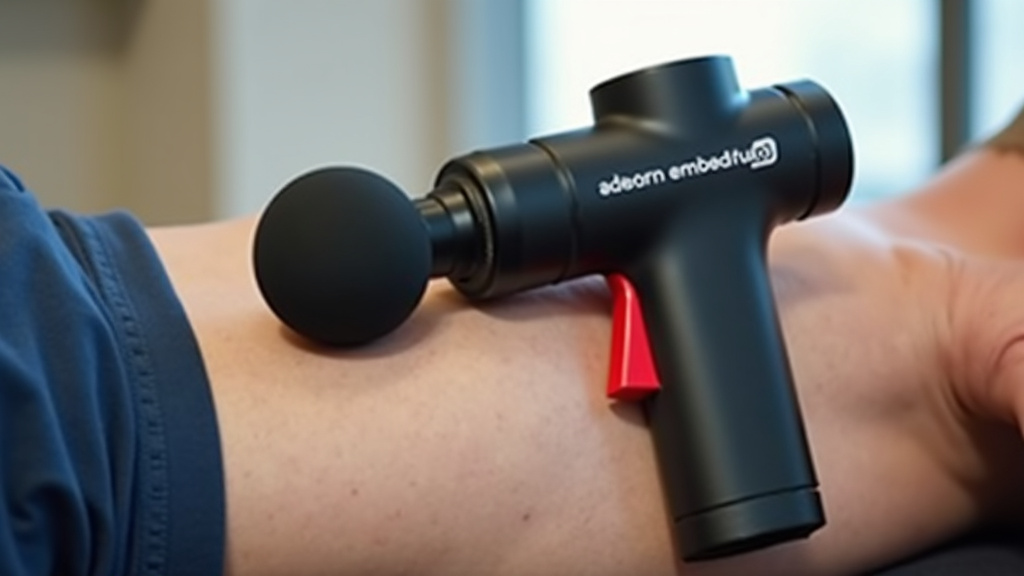
Conclusion
You now understand that massage guns use rapid pulses to deeply penetrate muscles, helping to break up knots and improve blood flow. This percussive therapy can effectively release tension by targeting fascia and calming overactive nerves, making it a great tool for recovery and daily stiffness. By choosing the right attachments and using the gun mindfully, you can actively improve your muscle health. Ready to give your tight muscles the relief they deserve? Consider trying a massage gun to experience these benefits firsthand.
Frequently Asked Questions
Can massage guns actually hurt my muscles?
Yes, improper use can cause discomfort or injury. You should avoid placing the massage gun directly on bones or joints. Always listen to your body and back off if you feel sharp pain.
How long should I use a massage gun on one spot?
It’s best not to linger on any single spot for too long. Aim for about 30-60 seconds per major muscle group. Constant movement helps prevent over-treatment and ensures you’re covering the intended area.
Can I use a massage gun if I’m not an athlete?
Absolutely. Massage guns are beneficial for anyone experiencing muscle tightness from daily activities, like sitting at a desk or standing for long periods. They can help maintain flexibility and ease everyday stiffness.
Do massage guns work better than traditional massage?
Massage guns offer a convenient and portable way to achieve deep tissue relief, mimicking some effects of professional massage. They excel at reaching deep muscle tissue quickly, but a skilled massage therapist can also address issues in ways a gun cannot.
Is it okay to use a massage gun over clothes?
It’s generally recommended to use massage guns on clean skin for the best results. Thick clothing can dampen the percussive effect, making it less effective at reaching the muscle tissue. Lighter fabrics might allow some penetration, but direct skin contact is usually ideal.