How Does a Massage Gun Relax Muscles? Explained
Understanding Percussive Therapy and Muscle Relaxation
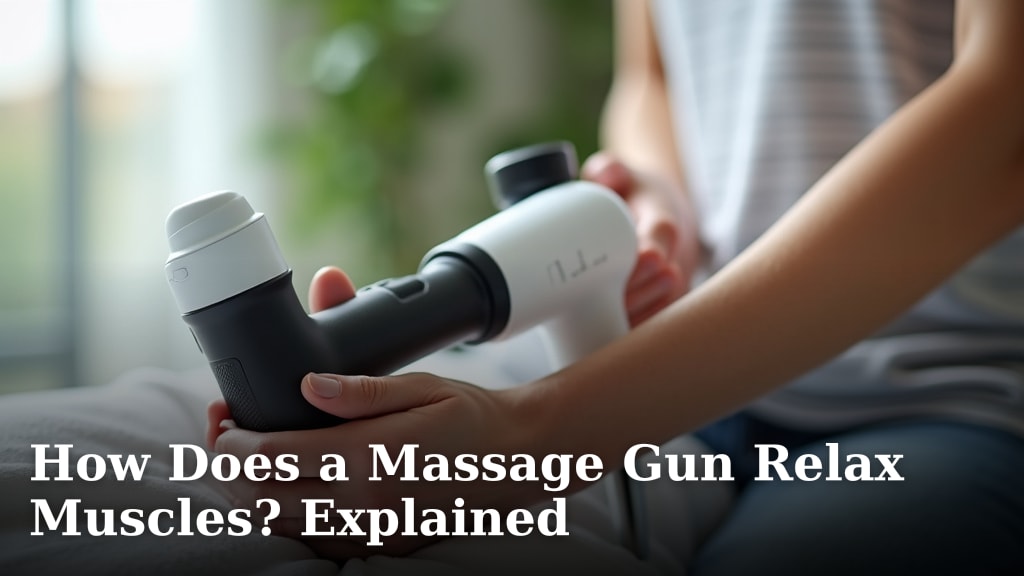
A massage gun uses a method called percussive therapy. It delivers rapid, concentrated pulses deep into your muscle tissue. This process helps relax muscles through several key mechanisms.
You can think of it as a super-fast, targeted vibration. Unlike a gentle rub, this technology is designed to reach deeper layers of tissue that your hands might not. The goal is to address tension right where it starts.
How the Rapid Pulses Actually Work on Your Muscles
The magic lies in how these pulses interact with your body. A massage gun is not just vibrating on the surface. It’s interacting with your neuromuscular system in a few important ways.
Increasing Blood Flow and Oxygen Delivery
One of the primary ways a massage gun helps is by boosting circulation. The rapid percussions act like a pump for your blood vessels. This increased blood flow brings more oxygen and nutrients to tired muscles.
- Faster Recovery: More blood flow helps clear out metabolic waste products that build up during exercise.
- Reduced Stiffness: Better circulation can help alleviate that feeling of being “locked up.”
A 2019 study published in the Journal of Clinical and Diagnostic Research found that percussive therapy was effective in increasing superficial blood flow in the treated area.
Reducing Muscle Tension and Adhesions
When muscles are tight or overused, they can form knots, sometimes called adhesions or trigger points. The deep, rapid pressure from a massage gun can help loosen these tight spots.
It works by stimulating the Golgi tendon organs. These are sensors in your muscles and tendons that help regulate tension. When stimulated, they signal your nervous system to let the muscle relax.
The Gate Control Theory of Pain
This is a key concept in pain science. Your nervous system can only process so many signals at once. The strong, fast sensation from a massage gun can essentially “drown out” pain signals traveling to your brain.
It’s like turning up the radio to block out a noisy conversation. The non-painful input from the percussion “closes the gates” to painful input, providing temporary relief. Many experts cite this theory as a reason for the immediate soothing effect.
What to Look For: Speed, Stall Force, and Attachments
Not all massage guns are created equal. Their effectiveness depends on their technical specifications. Here’s what the specs on the box really mean for your muscles.
Speed (Percussions Per Minute)
This measures how fast the head moves back and forth. A wider range is often better. Lower speeds (around 1,800 PPM) are great for relaxation and sensitive areas. Higher speeds (up to 3,200 PPM) are for deep tissue work.
You don’t always need the highest setting. Starting low and letting the tool do the work is often most effective.
Stall Force (Pressure Resistance)
This is a crucial, often overlooked spec. It measures how much force you can apply before the motor stalls or stops. A higher stall force (25 lbs or more) means you can press deeper without the device giving out on you.
This is especially important if you’re athletic or want to work on dense muscles like your quads or glutes.
Attachment Heads: A Tool for Every Task
Most guns come with different heads. Each is shaped for a specific purpose. Using the right one makes a big difference in comfort and results.
- Ball Head: The most versatile. Good for large muscle groups like back and thighs.
- Flat Head: Great for dense muscles and general use.
- Bullet Head: For pinpoint trigger points and deep tissue knots.
- Fork/Spine Head: Designed to work around the spine or Achilles tendon safely.
A Comparison: Massage Gun vs. Other Muscle Relief Methods
You have many choices for soothing sore muscles. A massage gun is one tool, but how does it stack up against others? Each has its strengths.
| Method | Primary Benefit | Best For |
|---|---|---|
| Massage Gun | Deep percussive therapy, rapid relief | Pre-workout warm-up, post-workout flush, targeting deep knots |
| Foam Roller | Self-myofascial release, broad pressure | Rolling out large areas like IT band, quads, back |
| Traditional Massage | Human touch, holistic relaxation | Full-body stress relief, complex muscular issues |
| Stretching | Increasing flexibility and range of motion | Maintaining mobility, countering tightness from sitting |
We found that combining these methods often yields the best results. A massage gun can be a fantastic addition to your existing routine, not necessarily a replacement.
Using Your Massage Gun Correctly for Best Results
Technique matters. Using the tool incorrectly won’t help and could even cause soreness. Here’s a simple, step-by-step approach.
The Warm-Up: Activating Before Activity
Use your massage gun for 30 to 60 seconds on the muscles you’re about to train. Keep the speed low to moderate. Don’t press too hard. The goal is to increase blood flow and “wake up” the tissue, not to fatigue it.
The Cool-Down: Recovery After Activity
After your workout, you can use it a bit longer, perhaps 2 minutes per muscle group. This can help soothe post-exercise soreness and promote relaxation. Stick to moderate speeds and pressure.
General Pain and Tension Relief
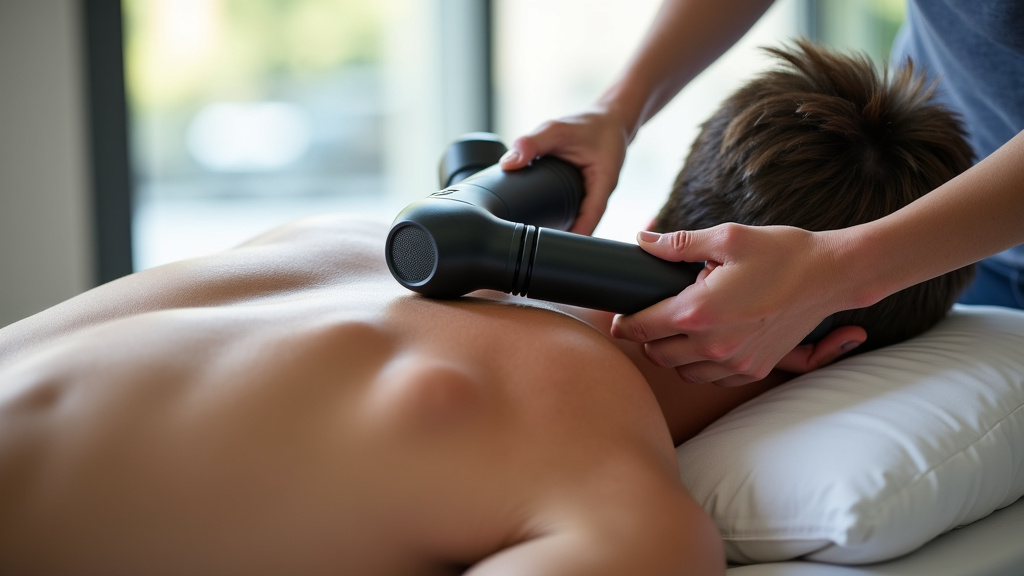
For everyday aches, like from desk work, you can use it for a few minutes at a time. Always move the gun continuously. Never hold it stationary on one spot for more than 30 seconds.
When Not to Use a Massage Gun: Important Safety Precautions
This tool is powerful and generally safe, but it’s not for everyone or every situation. You should avoid using it in certain cases to prevent injury.
- Avoid Injuries: Don’t use on broken bones, open wounds, bruises, or rashes.
- Medical Conditions: If you have blood clots, severe osteoporosis, or deep vein thrombosis, consult a doctor first.
- Sensitive Areas: Never use on your neck’s front (carotid artery), groin, or directly on bones.
- During Pregnancy: It’s generally advised to avoid percussion therapy during pregnancy without medical approval.
The CDC recommends consulting a healthcare provider before beginning any new deep tissue therapy routine if you have an underlying health condition.
Our Top Checklist: Getting the Most From Your Massage Gun
Want to ensure you’re using your device like a pro? Follow this simple checklist.
- ✓ Start Low and Slow: Begin with a lower speed and gentle pressure to see how your body responds.
- ✓ Keep it Moving: Glide the gun over the muscle. Never press and hold it in one spot for more than 30 seconds.
- ✓ Use the Right Head: Match the attachment to the body part and goal (e.g., ball for quads, bullet for a knot).
- ✓ Hydrate: Drink plenty of water after a session to help flush out the metabolic waste released from your muscles.
- ✓ Listen to Your Body: If it hurts sharply or feels too intense, stop. Discomfort is okay, pain is not.
- ✓ Consistency is Key: Regular use of 5-10 minutes is often more beneficial than one long, infrequent session.
A massage gun is a fantastic tool for muscle relaxation when used correctly. It combines the benefits of increased circulation, neural feedback, and targeted pressure. By understanding the science and following proper technique, you can make it a reliable part of your wellness routine.
Conclusion
You now know how a massage gun uses percussive therapy to boost blood flow, ease muscle knots, and provide quick pain relief. Remember, the right technique and safety precautions are key. Start with lower speeds, keep the device moving, and always listen to your body. Combining it with stretching or foam rolling often works best. Your next step is to try a 5-minute session on a sore muscle group using the right attachment. Stay consistent, and you’ll feel the difference in your routine.
Frequently Asked Questions
How often should I use a massage gun for muscle relaxation?
For best results, use it 3-5 times per week for 5-10 minutes per session. Consistency helps maintain muscle relaxation without overdoing it. Adjust based on your activity level and how your body feels.
Can a massage gun help with chronic muscle pain?
It can provide temporary relief by reducing tension and increasing blood flow, as supported by research. However, for chronic issues, it’s wise to consult a physical therapist or doctor. Use it as part of a broader pain management plan.
Are there any side effects from using a massage gun?
Some people may experience minor bruising or increased soreness if used too aggressively. Avoid sensitive areas like bones or nerves to prevent discomfort. Always follow proper technique and start with gentle pressure.
What should I do if my massage gun stalls when pressing hard?
This indicates you’ve reached its stall force limit. Reduce the pressure or switch to a device with a higher stall force rating. It’s designed to protect the motor, so ease up to avoid damage.
Is it normal to feel sharp pain during a massage gun session?
No, you should feel only comfortable pressure or mild discomfort. Sharp pain means you should stop immediately and reduce intensity. Pain is a signal to adjust your technique or consult a professional.