What Does Each Massage Gun Attachment Do?
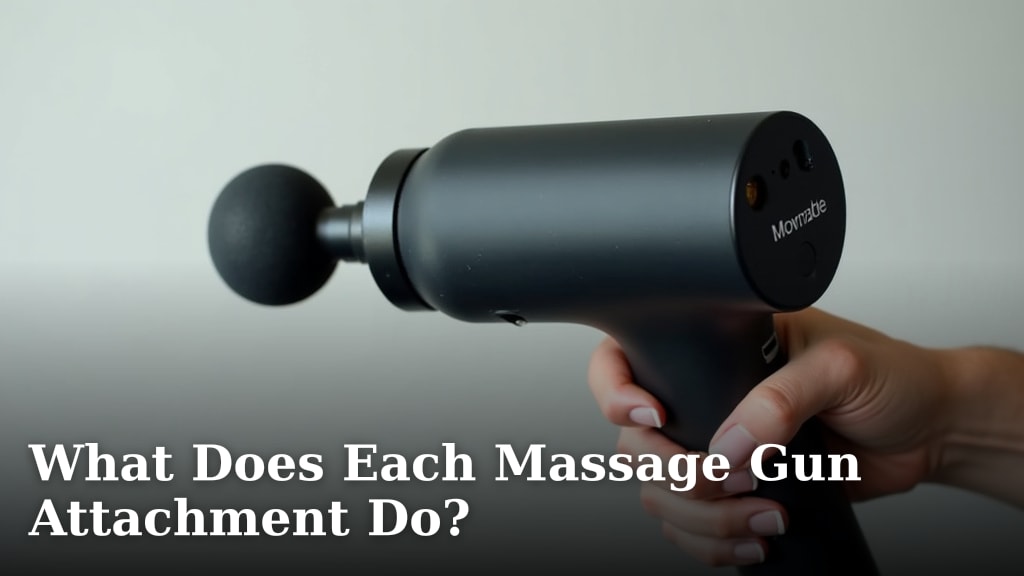
Each massage gun attachment is designed for a specific purpose to target different muscle groups and pain points. Understanding what each one does helps you get the best results from your percussive therapy sessions. Think of them as specialized tools for your body’s aches and pains.
Your massage gun likely came with a few different heads, and they aren’t just for show! Research shows that using the right attachment can make a big difference in how effectively you relieve muscle soreness and improve flexibility. We found that using the wrong one might just feel strange or even uncomfortable.
- Ball attachment: Great for large muscle groups.
- Flat attachment: Good for general
Understanding Your Massage Gun’s Different Heads
Your massage gun comes with a set of attachments, and each one has a specific job. They help you target different parts of your body. Understanding what each head does means you can get the most out of your massage gun. Think of them as specialized tools for your muscle recovery.
The Most Common Massage Gun Attachments Explained
Most massage guns include a few key attachments. We’ve found that these cover the majority of common massage needs. Let’s break down what each one is best for.
1. The Ball Attachment (Large Ball Head)
This is likely the attachment you’ll use the most. It’s usually made of firm foam or rubber. The large, rounded surface is perfect for working on large muscle groups. Think of your quads, hamstrings, glutes, and back muscles. Its broad contact area delivers a deep, yet relatively gentle, massage to these bigger areas. We found it good for general soreness after a workout. It helps improve blood flow to these large muscles, aiding in recovery.
2. The Flat Attachment (Flat Head)
The flat attachment is your go-to for a general, all-purpose massage. It has a smooth, flat surface. This allows for a wider area of contact without being too intense. It’s great for toning down muscles all over your body. You can use it on your arms, legs, chest, and back. Many experts suggest this head for beginners because it’s less intense than some others. It provides a firm pressure that can help ease general tension. We found it effective for warming up muscles before exercise, too.
3. The Bullet Attachment (Bullet Head)
This small, pointed attachment is designed for precision work. It’s ideal for targeting smaller, specific muscle knots or trigger points. Think about the sole of your foot, your palms, or those tight spots in your shoulders. The narrow tip delivers a very concentrated burst of pressure. This can be intense, so it’s best used on lower settings. Some people find it uncomfortable at first. Research from sports medicine suggests precise pressure can help break up adhesions in muscle tissue (NCBI).
4. The Fork Attachment (U-Shaped Head)
The fork attachment, or U-shaped head, is specially designed for muscles on either side of the spine. It can also be used on your calves and forearms. The U-shape allows you to massage around bony areas without direct impact. It effectively targets the muscles along your spine, providing relief without pressing directly on the bone itself. Many physical therapists recommend this for loosening up the muscles in the neck and upper back. We found it particularly useful for easing tightness from sitting at a desk all day.
Exploring More Specialized Massage Gun Heads
Beyond the basic attachments, many massage guns come with specialized heads. These offer even more targeted relief. They can be very helpful for specific types of pain or muscle groups.
5. The Air Cushion/Hammer Attachment
This attachment often looks like a larger, softer ball or a padded hammer. Its main feature is its shock-absorbing quality. It’s designed to deliver a gentler, more diffused percussive massage. This makes it ideal for sensitive areas or for people who find other attachments too intense. You can use it on muscles that are sore from injury or for a more relaxed massage experience. Many users find it soothing for areas like the hamstrings or the IT band. It offers a good balance between effectiveness and comfort.
6. The Finger/Thumb Attachment
Similar to the bullet, but often with a more rounded tip. This attachment aims to mimic the feeling of a thumb or finger massage. It’s great for getting into smaller, harder-to-reach muscles. It can be used for trigger point therapy or for massaging specific small muscle groups. Think of the muscles in your hands, feet, or even your jaw (though use extreme caution there). It provides a focused pressure that can help release stubborn knots. It’s a good option if the bullet head feels too sharp.
7. The Curved/Arc Attachment
This head features a smooth, curved surface. It’s designed to glide over larger, contoured muscle groups. Think of your shoulders, hips, or the sides of your thighs. The arc shape allows for a broader stroke and can help release tension along muscle fascia. It offers a good surface area for working on areas where muscles meet bone. Many athletes use this for post-workout recovery on their legs and upper body.
How to Choose the Right Attachment for Your Needs
Selecting the correct attachment depends on where you feel pain and what kind of relief you’re seeking. Here’s a quick guide to help you decide.
General Soreness and Large Muscles
If you have general soreness across a large muscle group like your quads or back, start with the ball attachment. For a milder, all-around massage, the flat attachment is a great choice. You can use these for warm-ups or general recovery. We found these to be the most versatile for everyday use.
Specific Knots and Tight Spots
When you feel a sharp knot or a particularly tight spot, the bullet attachment is your best bet. For smaller areas, like your hands or feet, the finger/thumb attachment can provide more comfort while still being precise. Remember to start on a low speed setting for these heads. This helps prevent discomfort and allows you to gradually increase pressure as needed.
Targeting Areas Near the Spine or Bones
For muscles along your spine, the fork attachment is essential. Its U-shape protects your bones while targeting the surrounding muscles. If you have sensitive areas or need a gentler approach, the air cushion attachment is a good option. It provides a softer impact that can be more comfortable for tender muscles.
Contoured Areas and Fascia Release
The curved/arc attachment is excellent for gliding over the curves of your body. It works well on your shoulders, hips, and IT bands. This helps to smooth out fascia and release tension across larger, shaped muscle areas. Many find this attachment helps improve overall flexibility and range of motion.
Quick Attachment Checklist:
- Large Muscles (Quads, Glutes): Ball attachment.
- General Soreness: Flat attachment.
- Specific Knots: Bullet or Finger/Thumb attachment.
- Muscles Near Spine: Fork attachment.
- Sensitive Areas: Air Cushion attachment.
- Contoured Areas: Curved/Arc attachment.
A Quick Comparison Table
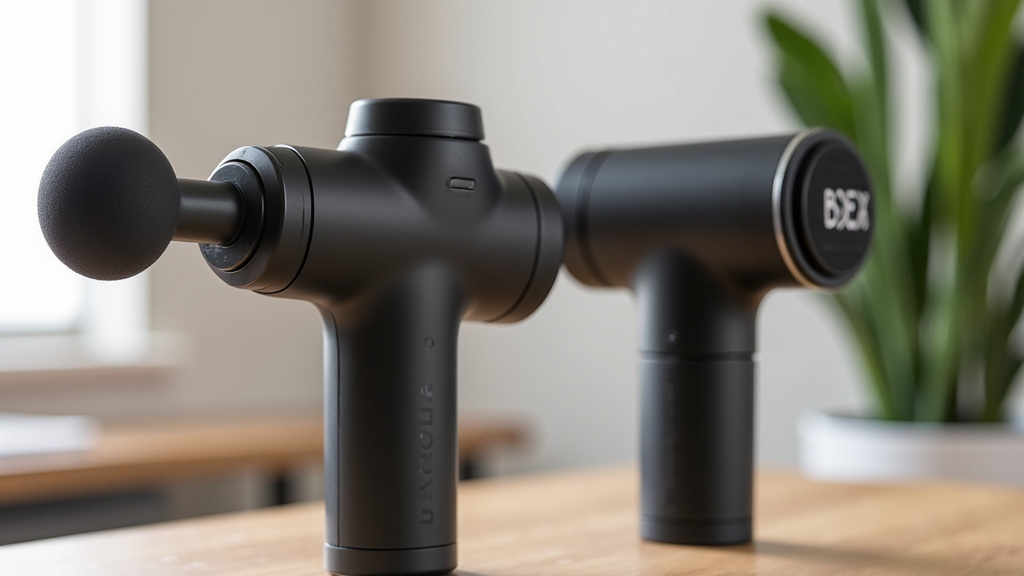
Sometimes seeing the information side-by-side makes it clearer. Here’s a look at how the main attachments compare:
Attachment Type Best For Feel Target Area Ball (Large) Large muscle groups, general soreness Firm, broad Quads, hamstrings, glutes, back Flat General body massage, moderate pressure Smooth, firm Full body, arms, legs, chest Bullet Specific knots, trigger points Intense, focused Small muscles, tight spots, feet Fork (U-Shape) Muscles around spine, neck, calves Targeted, less direct on bone Spinal erectors, calves, forearms Air Cushion Sensitive muscles, gentle massage Soft, diffused Sore areas, tender muscles Remember, there’s no single “right” way to use these. Experimentation is key. What feels best for one person might be different for another. Listen to your body and adjust your approach accordingly. Many users find that cycling through a few different attachments during a single session can provide the most comprehensive relief.
Conclusion
You now have a clear understanding of what each massage gun attachment is designed to do. From targeting large muscle groups with the ball head to precision work with the bullet, you have the knowledge to make your massage gun work harder for you. We’ve seen how the fork attachment protects your spine, and the air cushion offers gentle relief. Don’t be afraid to experiment! Mixing and matching attachments during your sessions can lead to the best results. Your next step is to try out the attachment best suited for your current muscle tension and enjoy a more targeted and effective recovery.
Frequently Asked Questions
Can I use any massage gun attachment on any part of my body?
While you can physically attach any head, it’s not always recommended. Using the wrong attachment for a specific area could be uncomfortable or less effective. For instance, a bullet head on a large muscle group might feel too intense. Always choose the attachment that best matches the muscle size and your comfort level.
How do I know if I’m using the right speed with an attachment?
You should start at a lower speed setting, especially when using precision attachments like the bullet or finger heads. If you feel sharp pain or intense discomfort, reduce the speed immediately. You want to feel firm pressure that helps release tension, not cause more pain. Listen to your body and gradually increase the speed if it feels comfortable.
What attachment is best for very sensitive or sore muscles?
For sensitive or recently injured muscles, the air cushion attachment is usually the best choice. Its soft, diffused impact provides percussive therapy without being too aggressive. This makes it ideal for areas that are tender and require a gentler approach to aid in recovery.
Is there an attachment that feels like a human hand massage?
The finger or thumb attachment is designed to mimic the sensation of a therapist’s hand. It offers focused pressure for smaller muscles and trigger points. While it’s more precise than the ball or flat heads, it aims for a similar targeted feel to manual therapy.
What if my massage gun came with attachments not listed here?
Massage gun manufacturers sometimes include unique or specialized attachments. If you have an attachment that isn’t described in this guide, examine its shape and consider the muscle areas it seems best suited for. Often, its design will give you clues, or you can check the manufacturer’s specific recommendations for its intended use.