What Is Muscle Vibration Therapy, and What to Know?
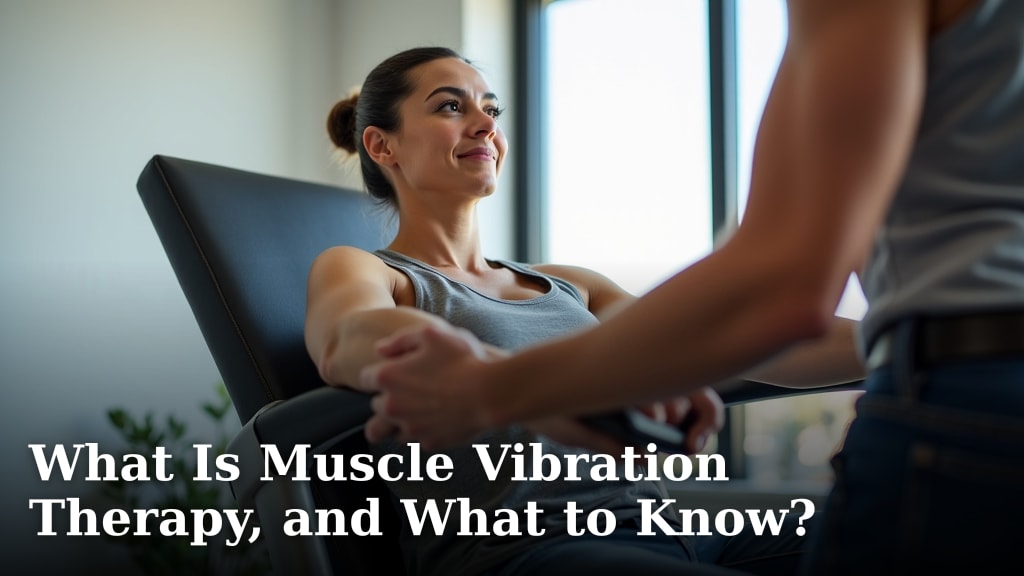
Muscle vibration therapy is a technique that uses mechanical vibrations to stimulate muscles. It’s a method for potentially helping with muscle recovery and easing stiffness. You might use vibration for improving blood flow or reducing that achy feeling after a workout. Many people find it to be a gentle way to feel better.
This therapy works by sending rapid vibrations through your skin and into the muscles beneath. These vibrations can cause muscles to contract and relax repeatedly. Research suggests this process might help break down muscle knots and improve flexibility. It’s a tool for managing physical discomfort and may support your body’s natural healing processes.
- Muscle vibration therapy uses quick vibrations.
- It aims to help with muscle recovery and stiffness.
- The vibrations may boost blood flow and relax muscles.
- It’s a technique for physical discomfort relief.
- Consider it for post-workout soreness or general aches.
Ready to learn more about how this therapy works and what you can expect? Let’s dive into the details about muscle vibration therapy and what makes it work for so many.
Understanding Muscle Vibration Therapy
Muscle vibration therapy is a technique that uses mechanical vibrations to stimulate muscles. It’s a method for potentially helping with muscle recovery and easing stiffness. You might use vibration for improving blood flow or reducing that achy feeling after a workout. Many people find it to be a gentle way to feel better.
This therapy works by sending rapid vibrations through your skin and into the muscles beneath. These vibrations can cause muscles to contract and relax repeatedly. Research suggests this process might help break down muscle knots and improve flexibility. It’s a tool for managing physical discomfort and may support your body’s natural healing processes.
How Does Vibration Therapy Actually Work?
When you use a vibration device, the rapid movements create a sensation that travels from your skin deep into your muscle tissue. Think of it like a gentle, targeted buzzing. This buzzing action causes your muscles to stretch and contract very quickly. These rapid muscle actions are often called “muscle spindle stretch reflexes” by experts (NCBI).
This constant contracting and relaxing can help to increase blood flow to the area being treated. Good blood flow is essential for delivering oxygen and nutrients to your muscles. It also helps remove waste products that can build up after exercise. Some studies show that increased blood flow can help speed up recovery times.
What Kind of Devices Are Used?
You’ll find a few common types of devices for muscle vibration therapy. Handheld massagers are popular for home use. They are easy to hold and direct to specific muscle groups. You can control the intensity and speed with these devices. They often come with different attachments for varied sensations.
Another type is the vibration plate. These are larger platforms you stand or sit on. The entire plate vibrates, sending vibrations through your whole body or large sections of it. These are often found in gyms or physical therapy clinics. They can offer a full-body experience but are less targeted than handheld units.
What Are the Potential Benefits You Might Experience?
Many people turn to vibration therapy for muscle recovery. After a tough workout, your muscles can feel sore and tight. Vibration may help to loosen these tight spots and reduce that delayed onset muscle soreness, often called DOMS. It’s like giving your muscles a gentle wake-up call.
Studies suggest that vibration therapy can help to increase range of motion and flexibility. When your muscles are less stiff, you can move more freely. This can be beneficial for athletes and everyday people alike. It may make daily activities feel easier and reduce the risk of injury from restricted movement.
Targeting Specific Muscle Groups
One of the nice things about handheld vibration devices is their specificity. You can aim them directly at a knot or a particularly tight area. This focused approach can offer targeted relief. It’s like having a personal massage therapist for your sore spots. You control exactly where the vibration goes.
Improving Overall Muscle Function
Beyond just recovery, some research points to vibration therapy’s role in improving muscle strength and power over time. By stimulating muscle fibers, it might help them become more responsive. This could translate to better performance in physical activities. However, more research is needed in this area.
Exploring the Science Behind Vibration Therapy
The idea behind muscle vibration therapy isn’t new. It’s rooted in how our bodies respond to mechanical stimulation. When you apply vibration, it triggers sensory receptors in your muscles and skin. These receptors send signals to your brain, which can influence muscle activity.
How Vibration Stimulates Muscle Activity
The rapid vibrations cause your muscles to contract and relax many times per second. This involuntary muscle activity is similar to what happens when you shiver. It’s a way for your body to generate heat and engage muscle fibers. This repetitive action is thought to be key to its therapeutic effects (NIH).
Research has looked at how different vibration frequencies and amplitudes affect muscles. Higher frequencies might be better for stimulating blood flow, while lower frequencies could be more relaxing. The intensity of the vibration also plays a role in how deeply it penetrates the muscle tissue.
Impact on Blood Circulation and Recovery
Increased blood flow is a consistent finding in studies on vibration therapy. When blood vessels expand, more oxygen-rich blood can reach the muscles. This helps to flush out metabolic byproducts that contribute to fatigue and soreness. Many sources cite this as a primary mechanism of action (Cleveland Clinic).
This enhanced circulation can also aid in repairing damaged muscle fibers. Think of it as delivering essential building materials faster. For those recovering from injuries or intense training, this could mean a quicker return to activity. It’s a way to support your body’s natural healing work.
What Does the Research Say About Effectiveness?
Scientific literature offers a mixed but generally positive view of vibration therapy. Many studies show it can be effective for reducing muscle pain and improving flexibility. For instance, a review of studies found that vibration therapy was helpful in alleviating muscle soreness after exercise (PubMed Central).
However, it’s important to note that research is ongoing. Some studies show modest effects, while others indicate more significant benefits. The effectiveness can depend on the type of device used, the settings applied, and the individual’s response. It’s not a magic cure, but a promising tool.

Using Vibration Therapy in Your Routine
Integrating muscle vibration therapy into your life can be quite simple. Whether you’re an athlete looking to improve performance or someone seeking relief from everyday aches, there are ways to use it effectively. The key is to understand how to apply it safely and consistently.
Before and After Exercise
Using vibration therapy before exercise, often called a warm-up, can help prepare your muscles for activity. It can increase blood flow and muscle activation, potentially reducing injury risk. For post-exercise recovery, it can help ease stiffness and soreness.
A typical pre-workout routine might involve short sessions on target muscles, maybe 30 seconds to a minute per muscle group. After exercise, you might spend a bit longer, perhaps 1-2 minutes per muscle group, to aid in relaxation and recovery. Always listen to your body and adjust as needed.
Managing Stiffness and Discomfort
If you experience general muscle stiffness or discomfort from sitting for long periods, vibration therapy can offer relief. You can use it on your back, legs, or shoulders to help loosen tight muscles. It’s a way to combat the effects of a sedentary lifestyle without intense physical exertion.
Many people find that a few minutes of vibration therapy a couple of times a week helps them feel more comfortable. It can be a gentle way to improve your quality of life. Imagine easing that tight feeling in your neck after a long day at your desk.
Safety Considerations and Precautions
While generally safe for most people, there are some precautions to keep in mind. Avoid using vibration therapy directly over bones, joints, or nerves. It’s also not recommended for areas with inflammation, open wounds, or certain medical conditions like varicose veins.
It’s always a good idea to consult with a healthcare professional before starting any new therapy, especially if you have underlying health issues. They can help you determine if vibration therapy is appropriate for you and advise on proper usage. This is particularly important for individuals with heart conditions, diabetes, or neurological disorders.
What to Look for in a Vibration Device
When choosing a vibration device, consider your needs. For targeted muscle work, a handheld percussive massager or a smaller vibration wand might be best. If you’re looking for a more general, full-body treatment, a vibration plate could be a good option.
Key features to look for include adjustable speed and intensity settings. This allows you to customize the therapy to your comfort level. Durability, battery life (for cordless models), and the availability of different massage heads are also important factors. Reading reviews can offer helpful insights from other users.
Key Checklist for Using Vibration Therapy
- Warm-up: Use for 30-60 seconds per muscle before activity.
- Recovery: Use for 1-2 minutes per muscle after activity.
- Targeted Relief: Focus on specific tight or sore areas.
- Listen to Your Body: Adjust intensity and duration as needed.
- Avoid Sensitive Areas: Do not use over bones, joints, or injuries.
- Consult a Pro: Talk to a doctor if you have health concerns.
Conclusion
Muscle vibration therapy offers a gentle yet effective way to support your body’s recovery and manage muscle stiffness. By using controlled vibrations, you can potentially enhance blood flow, ease soreness after workouts, and improve your overall flexibility. Remember to listen to your body and use devices safely, focusing on targeted areas rather than bones or joints. If you’re looking for a complementary tool to help you feel better and move more freely, exploring handheld massagers or vibration plates could be your next step toward greater comfort and muscle wellness. Start by trying it on a common tight spot, like your calves or shoulders, and see how your muscles respond.
Frequently Asked Questions
How long should I use vibration therapy on a single muscle group?
For targeted relief, aim for 1 to 2 minutes per muscle group. This duration allows the vibrations to penetrate and stimulate the muscles without overdoing it. Always pay attention to how your body feels and adjust the time as needed.
Can vibration therapy replace stretching?
Vibration therapy can complement stretching by helping to relax muscles and improve blood flow, which can make stretching more effective. It’s not meant to be a complete replacement for regular stretching routines, but rather an additional tool for muscle health.
Is vibration therapy suitable for someone with sensitive skin?
If you have sensitive skin, start with the lowest intensity setting on your device. You may also want to use a thin cloth between the device and your skin initially. Observe your skin’s reaction and discontinue use if any irritation occurs.
Can vibration therapy help with chronic pain?
For chronic pain, vibration therapy might offer some relief by stimulating muscles and improving circulation. However, it’s essential to consult with your doctor or a physical therapist first. They can advise if it’s appropriate for your specific condition and guide you on safe usage.
What’s the difference between vibration therapy and percussive therapy?
Vibration therapy uses rapid, oscillating movements to stimulate muscles. Percussive therapy, often delivered by “percussion guns,” uses fast, deep strokes that feel more like tapping or pounding. Both aim to help with muscle recovery, but they work through slightly different mechanical actions. Vibration therapy uses rapid, oscillating movements to stimulate muscles, while percussion therapy uses fast, deep strokes.