What RPM Is Good for a Massage Gun: A Simple Guide?
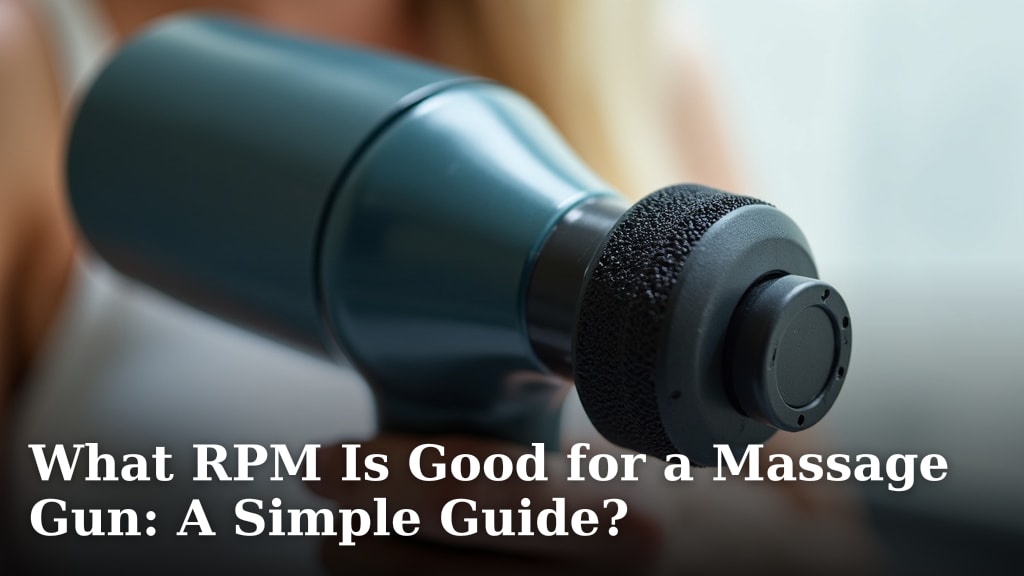
The ideal RPM for a massage gun is generally between 1800 and 3000 RPM. Lower RPMs are often better for sensitive areas or warm-ups. Higher RPMs deliver a deeper massage for tight muscles. Finding your sweet spot is key for effective muscle relief.
Understanding RPM, or revolutions per minute, helps you choose the right setting on your massage gun. It tells you how fast the percussive head is moving. This speed impacts the intensity and type of massage you receive. We found that most users benefit from a range of speeds, not just one. Understanding how percussion therapy works can help you better utilize your massage gun’s settings.
- RPM is revolutions per minute.
- 1800-3000 RPM is a good range.
- Lower RPMs for gentle use.
- Higher RPMs for deep muscle work.
- Experiment to find what works for you.
Ready to get the most out of your massage gun? Below, we’ll break down what RPM really means for your recovery and comfort.
Understanding Massage Gun Speed: What RPM Really Means
The RPM on your massage gun is more than just a number. It stands for revolutions per minute. This tells you how many times the massage head spins or pulses in a single minute. Think of it like the speed setting on a blender. A higher RPM means a faster spin, and a lower RPM means a slower spin. This speed is a key factor in how intense and effective your massage therapy will be. We found that understanding this can help you get better results from your device.
Why RPM Matters for Your Muscles
Different speeds affect your muscles in different ways. Faster RPMs deliver more rapid impacts. This can be great for breaking up knots and working on deeper muscle tissue. Slower RPMs offer a gentler approach. They are often better for warming up muscles before a workout or for targeting more sensitive areas. Many people don’t realize how much control they have with these settings. It’s not a one-size-fits-all situation.
The Ideal RPM Range for Most Users
Research and user feedback suggest a sweet spot for massage gun RPMs. Generally, the most effective range is between 1800 and 3000 RPM. Within this range, you can find settings for almost any need. Many experts agree that having a variety of speeds is important for a versatile massage gun. This range allows for both gentle recovery and intense muscle work.
Lower RPMs: Gentle and Targeted Relief
When you’re just starting out, or if you’re feeling particularly sore, lower RPMs are your friend. Speeds from 1200 to 1800 RPM are often recommended for initial use. These speeds provide a milder vibration. They are perfect for warming up muscles before exercise. You can also use them to gently ease into sensitive areas. Many people find this range ideal for recovery days. It helps improve blood flow without causing further irritation.
Mid-Range RPMs: The All-Around Workhorse
For general muscle soreness and everyday use, the mid-range RPMs are often the most useful. We found that speeds between 1800 and 2400 RPM hit a great balance. This range can effectively work out common muscle tightness. It’s also a good speed for targeting larger muscle groups like your quads or back. Most users find this setting comfortable and effective for regular recovery sessions. It feels like a solid massage without being overwhelming.
Higher RPMs: Deep Tissue and Tough Knots
When you have stubborn knots or really deep muscle pain, you’ll want to turn up the speed. RPMs from 2400 to 3000 RPM are designed for this. These higher speeds deliver rapid, powerful impacts. They can penetrate deeply into muscle tissue. This is where you can really feel the massage gun breaking up tightness. However, these settings can be intense. It’s important to approach them carefully. Always start with a lower speed and gradually increase it if needed. Many athletes use these settings for post-workout recovery.
What About RPMs Above 3000?
Some massage guns boast RPMs far exceeding 3000. While these high speeds might seem impressive, they aren’t always practical or necessary for everyone. We found that speeds above 3000 RPM can sometimes feel too aggressive. For some individuals, they might even be uncomfortable or lead to overstimulation. The most effective massage often comes from finding the right speed for your body, not just the fastest one available. Many experts suggest that the benefits plateau well before the highest settings.
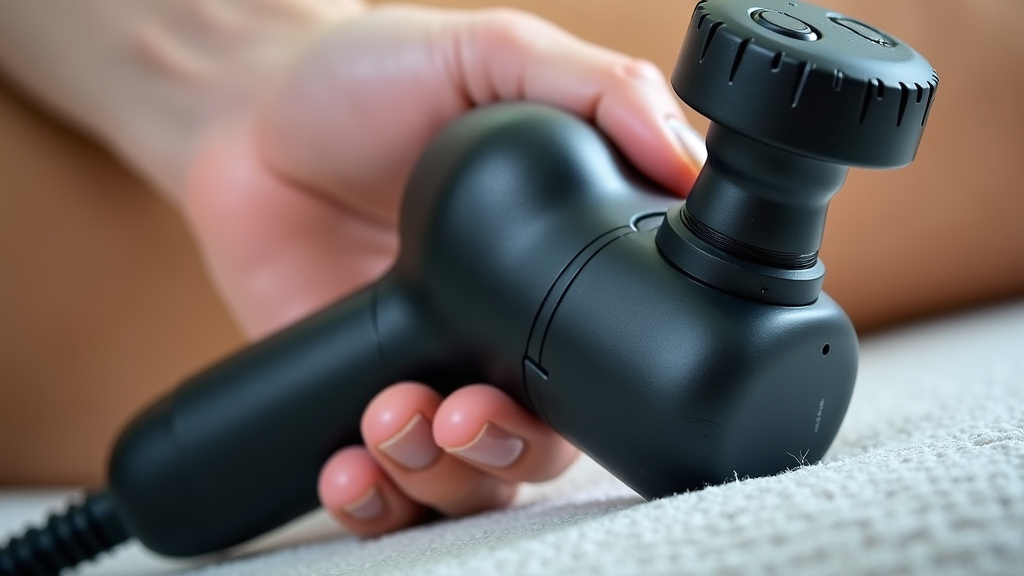
Matching RPM to Your Needs: A Practical Guide
Choosing the right RPM depends on what you’re trying to achieve. It’s not just about picking a number; it’s about listening to your body. Your personal comfort level and the specific muscle group you’re treating are key. Here’s a simple breakdown of how to match speeds to your goals:
Pre-Workout Warm-up
Before you hit the gym or the track, you want to wake up your muscles. Low to mid-range RPMs are ideal here. Think 1400-2000 RPM. This helps increase blood flow and prepares your muscles for activity. It’s like gently stretching before a big effort. You don’t want to overdo it and cause fatigue.
Post-Workout Recovery
After a tough workout, your muscles might be sore and tight. This is where a range of RPMs can be beneficial. Start with a gentler speed, perhaps around 1800-2000 RPM, to ease into it. Then, you might gradually increase to 2200-2600 RPM to target deeper soreness. Many find this combination effective for reducing muscle fatigue (NCBI).
Chronic Muscle Tightness and Knots
For persistent tightness or those stubborn knots, you’ll likely need higher RPMs. Speeds between 2400 and 3000 RPM are often effective. These powerful vibrations can penetrate deeply. They help to release tension and improve mobility. Remember to use a lower speed or even a different attachment head if it feels too intense.
Sensitive Areas and Injury Rehabilitation
Areas like your neck, shins, or scar tissue require a delicate touch. Lower RPMs are essential here. We recommend staying in the 1200-1800 RPM range. Some therapists even suggest using the lowest possible setting. Always consult with a healthcare professional for injury rehabilitation. They can guide you on safe speeds and techniques.
Experimentation is KeyConclusion
You’ve learned that the ideal RPM for a massage gun isn’t a single number, but a range. Most users find effectiveness between 1800 and 3000 RPM. Remember, lower speeds are great for gentle warm-ups and sensitive spots, while higher speeds target deep knots. The key is to listen to your body. Experiment with different settings to find what feels best for your recovery and comfort. Start low and gradually increase the intensity as needed.
Frequently Asked Questions
Can I use the highest RPM setting all the time?
It’s generally not recommended to use the highest RPM setting all the time. Speeds above 3000 RPM can be too intense for many people and may even cause discomfort. It’s more effective to find a speed that suits your specific needs and pain level for that session.
Is a higher RPM always better for muscle knots?
Higher RPMs can be effective for deep muscle knots because they deliver more powerful impacts. However, effectiveness also depends on technique and personal tolerance. Sometimes a slightly lower RPM with sustained pressure or a different attachment can also work well.
What RPM should I use for a sore neck?
For sore areas like your neck, you should use lower RPMs. A range of 1200 to 1800 RPM is often suggested. This provides gentle vibration to improve blood flow without causing further irritation or pain. Always be cautious with delicate areas.
Do different massage gun heads affect the RPM I should use?
Yes, different massage gun heads can influence the perceived intensity at a given RPM. Softer heads might allow you to use a slightly higher RPM comfortably, while firmer or pointed heads might feel more intense at lower speeds. Adjust your RPM based on the attachment and how it feels.
How can I tell if the RPM is too high for me?
You’ll know the RPM is too high if you experience sharp pain, increased soreness after use, or if the sensation feels uncomfortable or jarring. It should feel like a firm massage, not an unpleasant shock. If it hurts, lower the speed immediately.