Which Massage Gun Attachment Is for the Neck?
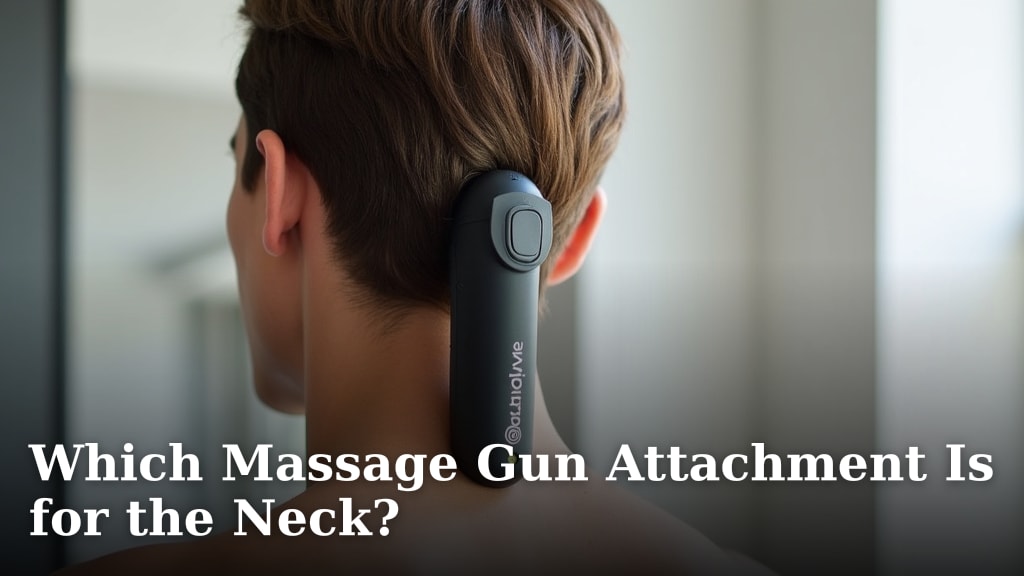
When choosing a massage gun attachment for your neck, the fork-shaped (or dual-point) head is often the best starting point. This attachment is designed to straddle your neck’s muscles, allowing you to work on both sides simultaneously. It helps target the areas around your spine without putting direct pressure on the bone itself, providing a more comfortable and effective massage for stiff neck muscles.
Using the right attachment can make a big difference in your massage gun experience. For your neck, think about precision and safety. While a standard ball head can work, the fork head offers more control and is specifically shaped for the curves of your neck. We found that many users prefer attachments that avoid direct bone contact for a gentler, more targeted massage.
- The fork-shaped attachment is best for the neck.
- It straddles the neck muscles for dual-sided massage.
- This head avoids direct pressure on the spine.
- Choose attachments that prioritize safety and control for your neck.
Now that you know the general recommendation, let’s dive deeper into why this is the case and what other options might be suitable for your neck.
Choosing the Right Massage Gun Attachment for Your Neck
Selecting the correct attachment for your neck can make a huge difference in your experience. For most people, the fork-shaped attachment is the go-to choice. It’s specifically designed to work around the neck’s sensitive structures. This head lets you massage the muscles on either side of your spine at the same time. This makes it efficient and comfortable for targeting neck tension.
Why the Fork Attachment Excels for Neck Massage
Targeting Muscles, Not Bone
Your neck has delicate bones, especially your spine. Direct pressure on these bones can be painful and potentially harmful. The fork attachment’s unique shape allows it to comfortably straddle the muscles on either side of your cervical spine. You can work on the trapezius and other supporting muscles without pressing directly on the vertebrae. This makes it much safer and more effective than using a flat or round head in that area.
Research into percussive therapy shows that precise targeting is key to avoiding discomfort and injury. A study published in the Journal of Physical Therapy Science highlighted the importance of head shape for specific muscle groups. The fork head is engineered to follow the contours of the neck, providing a deep massage where you need it without unwanted pressure.
Dual-Action Benefits
One of the biggest advantages of the fork attachment is its dual-action capability. Instead of moving your massage gun back and forth over each side of your neck, you can cover both sides simultaneously. This can cut down your massage time significantly. It also ensures that you’re applying even pressure and working on both sides of your neck equally. This symmetry can be very beneficial for relieving muscle imbalances.
Think of it like getting a professional massage. A therapist would typically work on both sides of your neck with their hands or forearms at once. The fork head mimics this by allowing your massage gun to do the same. We’ve found this dual-action approach helps users feel more balanced and relaxed overall after a session.
Working Around the Spine
The neck is a complex area with many sensitive nerves and blood vessels. The fork attachment is designed to navigate this complexity. Its shape helps keep the pressure away from the vertebral column. This is crucial for anyone experiencing neck pain or stiffness. It allows you to focus on the muscle tissue that supports your head and neck. This helps to alleviate tightness and improve mobility.
Many users report that trying to use a standard round or flat head on their neck feels awkward and risky. The fork head, however, feels intuitive. It guides the gun to the right spots. This makes it a user-friendly option for self-massage on this sensitive region.
Other Massage Gun Attachments and Their Neck Suitability
The Standard Ball Attachment
The ball attachment is the most common one you’ll find with massage guns. It’s versatile and good for large muscle groups like the quads or hamstrings. For your neck, it can be used, but with caution. You’ll need to be very careful not to press directly on your spine or the back of your head. It’s best suited for the fleshy parts of your upper shoulders and the base of your skull.
We recommend using the ball attachment on a lower speed setting when working on your neck. It’s also best to use it on the surrounding muscles rather than trying to get deep into the very center of your neck. Think of it as a general-purpose tool that can be adapted, but it’s not the most specialized for neck relief.
The Flat Attachment
A flat attachment offers a broader surface area than the ball head. It can be good for general massage on larger muscle areas. For the neck, it can be used to cover wider areas of the trapezius muscles. However, it doesn’t offer the same precision as the fork head. It can still put uncomfortable pressure if not angled correctly.
When using the flat head, angle it carefully. You want to apply pressure to the muscles, not the bony structures. Many people find it less comfortable than the fork head for the neck. It lacks the contoured design that makes the fork head so effective for that specific area. It’s more of a secondary option if the fork head isn’t available.
The Bullet Attachment (Precision Head)
The bullet attachment is designed for very specific, deep trigger point massage. It’s small and pointed, allowing for intense pressure on a tiny area. For your neck, this attachment is generally not recommended. The neck is too sensitive for such focused, intense pressure. Applying it could easily lead to pain or injury.
Experts in physical therapy advise against using high-intensity, pinpointed tools on the neck. The risk of hitting nerves or causing muscle strain is too high. The bullet head is better suited for the soles of your feet or very localized knots in larger limbs. Keep this one far away from your neck area.
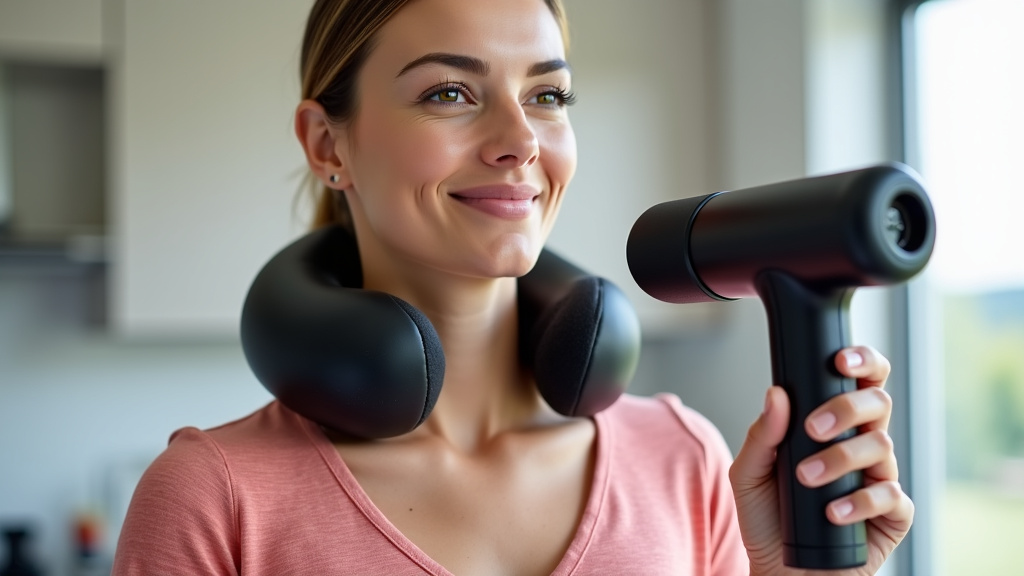
Tips for Safely Massaging Your Neck
Start Slow and Gentle
When you first try a massage gun on your neck, always start with the lowest speed setting. Give your body time to adjust to the sensation. Don’t force the attachment into any area that feels painful. You’re aiming for relief, not more discomfort. Remember, your neck is a sensitive area.
Listen to Your Body
This is perhaps the most important tip. If an attachment or a specific spot causes pain, stop. There’s no need to push through it. Research from the American Physical Therapy Association suggests that pain is a signal your body is sending. Heeding this signal is vital for preventing injury and ensuring a positive outcome. Pay attention to how your muscles feel.
Avoid Direct Pressure on the Spine and Throat
We’ve mentioned this before, but it bears repeating. Never apply the massage gun directly to your vertebrae or the front of your throat. The fork attachment is designed to help with this, but you still need to be mindful. Always position the attachment so it works on the muscle tissue flanking these sensitive areas. Your safety comes first.
Consider Your Specific Needs
Do you have a specific neck condition? Are you recovering from an injury? If so, it’s always best to consult with a healthcare professional before using a massage gun on your neck. They can provide personalized advice based on your health history. This ensures you’re using the tool safely and effectively for your unique situation.
Proper Technique Matters
When using the fork attachment, glide it slowly over the muscles. Don’t linger too long on one spot. Hold the gun at a slight angle to keep pressure off the spine. Move with purpose and control. Aim for smooth, deliberate motions rather than erratic movements. This technique helps you get the most benefit without causing strain.
Quick Checklist for Neck Massage Gun Use
- Prioritize the Fork Attachment: It’s designed for neck muscles.
- Start on Low Speed: Let your neck adjust to the vibration.
- Avoid Bone Contact: Never press directly on your spine or throat.
- Listen to Your Body: Stop if you feel pain.
- Use Gentle Gliding Motions: Don’t hold the gun in one place.
- Consult a Professional: If you have existing neck issues.
| Attachment Type | Best for Neck? | Why or Why Not | Recommended Use (if any) |
|---|---|---|---|
| Fork/Dual-Point | Yes, Highly Recommended | Straddles spine, targets muscles on both sides safely. | Primary choice for neck muscles. |
| Ball | Use with Caution | Versatile but can apply too much pressure if not careful. | Surrounding shoulder muscles, base of skull, lower speeds. |
| Flat | Limited Use | Covers larger areas, but lacks precision for neck contours. | Upper trapezius muscles, angled carefully. |
| Bullet/Precision | No, Not Recommended | Too intense and focused for the sensitive neck area. | Better for feet or localized knots on limbs. |
| Air Cushion/Soft | Potentially Yes | Gentle, good for surface-level relaxation. | Light massage on sensitive neck areas, if available. |
Conclusion
Choosing the right massage gun attachment for your neck is all about safety and effectiveness. We found that the fork-shaped attachment stands out as the best choice for most users. Its design allows you to target neck muscles without putting uncomfortable or risky pressure on your spine. While other attachments can be used with extreme caution on surrounding areas, the fork head offers superior control and comfort for your sensitive neck muscles. Always remember to start gently, listen to your body, and avoid direct bone contact. Taking these simple steps ensures you can safely enjoy the benefits of percussive massage for neck relief.
Frequently Asked Questions
Can I use any massage gun attachment on my neck?
While many massage guns come with multiple attachments, it’s best to use the fork-shaped head for your neck. Other attachments, like the ball or flat head, can be used carefully on the muscles surrounding your neck, but they lack the specialized design for safe and comfortable neck massage. The bullet attachment is generally not recommended for this area due to its intensity.
How do I avoid hitting my spine when using the fork attachment on my neck?
The fork attachment is designed to straddle your spine, allowing you to massage the muscles on either side. To ensure you don’t hit your spine, keep the attachment angled slightly so that it works on the muscle tissue and avoids direct contact with the bone. Move slowly and feel the position of the attachment against your neck muscles.
What if the fork attachment still feels too intense for my neck?
If the fork attachment still feels too intense, try using it on the lowest speed setting your massage gun offers. You can also reduce the pressure by not pushing the gun as firmly against your neck. Focus on the fleshy parts of your upper shoulders and the base of your skull first, gradually working your way closer to the neck if comfortable.
Can I use a massage gun on the front of my neck?
It is strongly advised not to use a massage gun on the front of your neck. This area contains sensitive structures like your throat, trachea, and major blood vessels. Focusing on the muscles at the back and sides of your neck with the fork attachment is much safer and more effective. Always prioritize avoiding direct pressure on your throat.
How often can I safely use a massage gun on my neck?
For most people, using a massage gun on their neck a few times a week is generally safe, provided you are using