Do Massage Guns Actually Work: A Simple Guide?
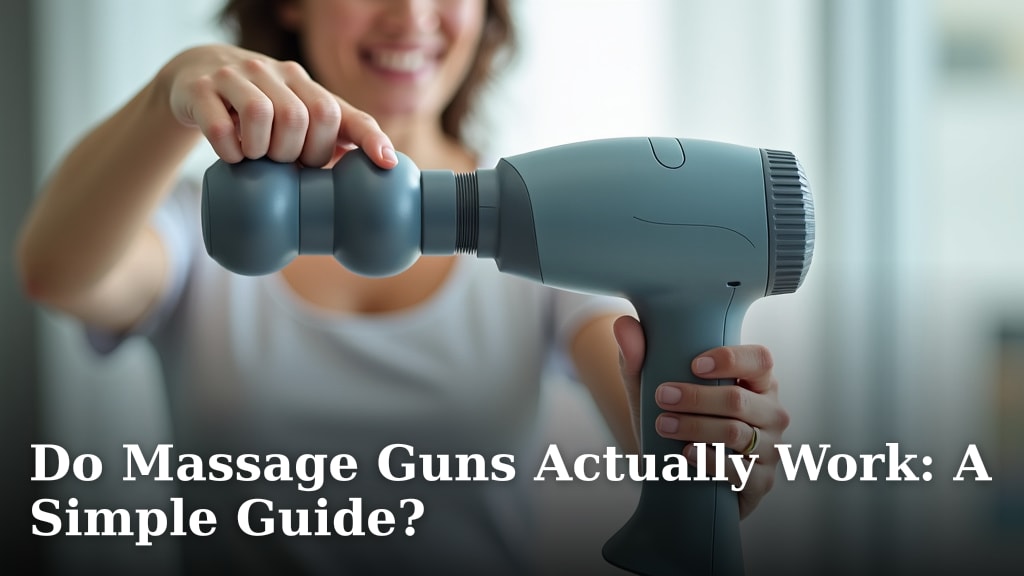
Yes, massage guns can help alleviate muscle soreness and improve your range of motion. They work by applying vibrations deep into your muscles. This can help reduce tension and stiffness after workouts or from everyday life. Many users find them effective for quick muscle relief.
These devices, also known as percussive therapy tools, have become quite popular. They aim to provide benefits similar to professional massages. Research and user experiences suggest they can be a useful tool for muscle recovery. You can use them to target specific areas that feel tight or sore.
- Massage guns can help ease muscle soreness.
- They use vibrations to reach deep into muscles.
- This can improve your flexibility and reduce stiffness.
- They are a popular tool for post-workout recovery.
Let’s dive into how these popular gadgets really work and what you can expect from them.
Understanding How Massage Guns Work
So, you’re wondering if these popular massage guns are just fancy toys or if they actually deliver on their promises. Let’s break down the science behind them. Massage guns use a technique called percussive therapy. This involves rapid, targeted pulses delivered deep into your muscles.
The Science of Percussion
Think of it like a very focused, intense massage. The gun’s head moves back and forth very quickly. This motion creates vibrations and pressure. These pulses help to loosen tight muscle fibers. They can also help increase blood flow to the area.
What Percussive Therapy Does
When the gun hits your muscle, it causes a small stretch. This is followed by a release, repeating many times per second. This action can help to break up knots. These knots are often called trigger points. They can cause pain and limit movement.
Vibration vs. Massage
While a traditional massage uses hands, a massage gun uses mechanical action. It allows for deeper penetration. This can be helpful for larger muscle groups. It also offers a more consistent pressure. This is something a human therapist might struggle with over long periods.
Benefits You Can Expect
Many people use massage guns for several reasons. The most common is to help with muscle soreness. But there are other potential benefits too. Research and user reports highlight a few key areas.
Easing Muscle Soreness and Stiffness
This is often the biggest draw. After a tough workout, your muscles can feel like concrete. Massage guns can help relieve that post-exercise soreness. They do this by increasing blood flow. This helps flush out waste products that build up. It can also bring fresh oxygen to the muscles.
Improving Range of Motion
When your muscles are tight, your movement can be restricted. This is your flexibility taking a hit. By loosening up those tight spots, massage guns can help you move more freely. You might find you can stretch further or bend more easily after using one.
How It Helps Flexibility
Tight muscles can pull on your joints. This limits how far you can move. By relaxing the muscles, the gun helps them return to a more normal length. This allows your joints to move through their full range. Many athletes use them to prepare for activity and recover afterward.
Faster Muscle Recovery
Faster recovery means you can get back to your routine sooner. Or, it means you can train harder next time. Massage guns aim to speed up the muscle repair process. By improving circulation, they deliver nutrients. They also remove metabolic waste more efficiently.
The Role of Blood Flow
Increased blood flow is key here. It’s like opening up the highways for your muscles. More oxygen and nutrients reach the damaged areas. This helps muscles rebuild themselves faster. This is supported by general physiological principles related to exercise recovery (Mayo Clinic).
Are Massage Guns for Everyone?
While generally safe for most people, there are some considerations. It’s always wise to know when and how to use them. And when to perhaps avoid them.
Who Benefits Most?
Athletes and fitness enthusiasts are primary users. They often experience muscle soreness and stiffness. People who sit for long periods can also benefit. They may get tight muscles in their neck, shoulders, or back. Anyone looking for self-care muscle relief might find them useful.
When to Be Cautious
You should avoid using a massage gun directly on bones or joints. Also, be careful around nerves. If you have certain medical conditions, like blood clotting disorders, it’s best to check with your doctor first. Pregnant individuals should also consult a healthcare provider. Always follow the manufacturer’s instructions.
Specific Areas to Avoid
Don’t use the gun on areas with open wounds, bruises, or swelling. If you feel sharp pain, stop immediately. It’s about relieving tension, not causing injury. Many experts recommend not using them on the front of your neck or directly over your spine.
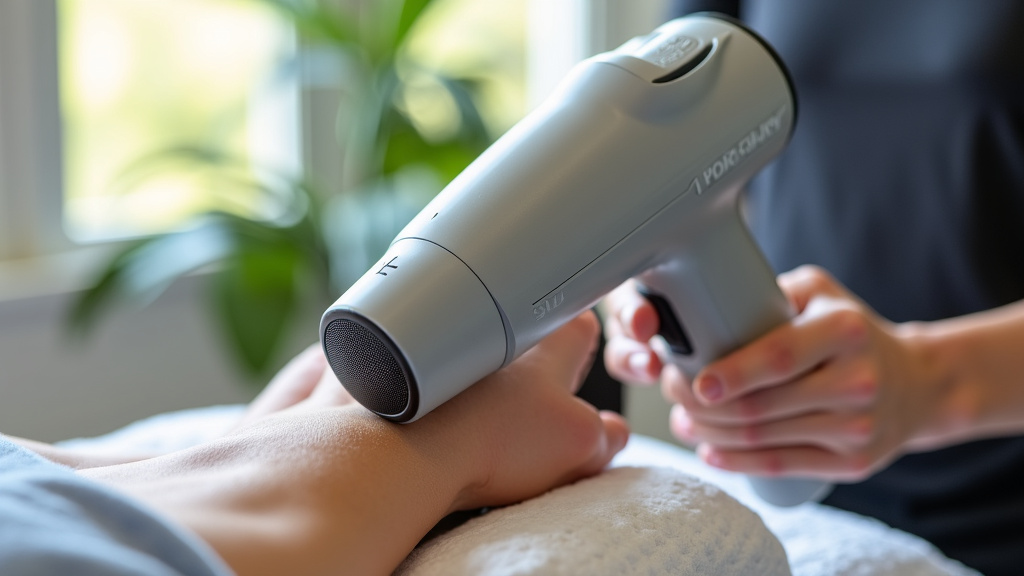
Making the Most of Your Massage Gun
Getting the best results involves a little know-how. Using it correctly can make a big difference. It’s not just about pressing a button.
How to Use It Effectively
Start with a low setting. Slowly glide the gun over your sore muscle groups. Don’t stay in one spot for too long. Generally, 30-60 seconds per muscle group is enough. You should feel relief, not pain.
Choosing the Right Attachment
Most guns come with different heads. The ball-shaped head is good for large muscles. The bullet-shaped one is for pinpoint areas. The flat head offers broader pressure. Experiment to see which works best for the area you’re targeting.
When to Use It
Many people use them after workouts. This helps with immediate recovery. You can also use them on rest days. This can help keep muscles loose. Some use them briefly before exercise as a warm-up. However, always warm up your body with dynamic movements first.
A Sample Usage Checklist
- Choose a low speed to start.
- Glide the gun slowly over the muscle.
- Don’t press too hard.
- Limit time to 60 seconds per muscle group.
- Avoid bony areas and the spine.
- Listen to your body and stop if it hurts.
What the Research Says (and Doesn’t Say)
There’s a growing body of research on percussive therapy. However, it’s still a relatively new field. Much of the evidence comes from smaller studies.
Findings on Muscle Soreness
Some studies have shown that percussive therapy can reduce delayed onset muscle soreness (DOMS). This is that achy feeling you get a day or two after exercise. Research from journals like the Journal of Strength and Conditioning Research often explores these effects.
Impact on Performance
The link between massage guns and improved athletic performance is less clear. While they can help with recovery and range of motion, direct performance gains aren’t always proven. More large-scale studies are needed to confirm these impacts definitively.
Limitations of Current Research
Many studies are small. Some have limitations in their design. It’s hard to say with absolute certainty how much better they are than other recovery methods. For now, think of them as a helpful tool, not a magic cure. The American Physical Therapy Association notes that while promising, more robust evidence is needed for many claims.
Conclusion
Massage guns are a promising tool for muscle relief and recovery. They use percussive therapy to target muscle soreness and improve your range of motion. While research is ongoing, many users find them effective for post-workout recovery and easing everyday stiffness. Remember to use them correctly, avoiding direct pressure on bones and joints. Start slow, listen to your body, and experiment with attachments for the best results. Consider adding a massage gun to your self-care routine if you’re looking for a convenient way to manage muscle tension.
Frequently Asked Questions
How long should I use a massage gun on one muscle?
For most muscle groups, aim for about 30 to 60 seconds. It’s important not to linger too long in one spot. You want to encourage relaxation and blood flow, not cause irritation. Always adjust based on how your body feels.
Can I use a massage gun on my neck?
You should be very cautious when using a massage gun on your neck. Avoid using it directly over your spine or the front of your neck. Focus on the larger muscle areas, like the traps, and use a lower setting. If you have any concerns, consult your doctor.
Is it okay to use a massage gun every day?
For many people, daily use of a massage gun is safe if done correctly. You can use it on different muscle groups each day or on areas that feel particularly tight. Just be sure to avoid overworking any single area and listen to your body’s signals.
Will a massage gun help with chronic pain?
Massage guns can help alleviate some types of chronic muscle pain by reducing tension and improving circulation. However, they are not a cure for all chronic pain conditions. If you experience persistent pain, it’s best to consult with a healthcare professional for a proper diagnosis and treatment plan.
What’s the difference between a massage gun and a foam roller?
A foam roller uses sustained pressure to release muscle tension through self-myofascial release. A massage gun uses rapid pulses (percussion) to target deeper muscle tissue and trigger points. Both can aid recovery, but they work in different ways and offer different sensations.