Massage Gun Ball Attachment Use: Quick Fixes
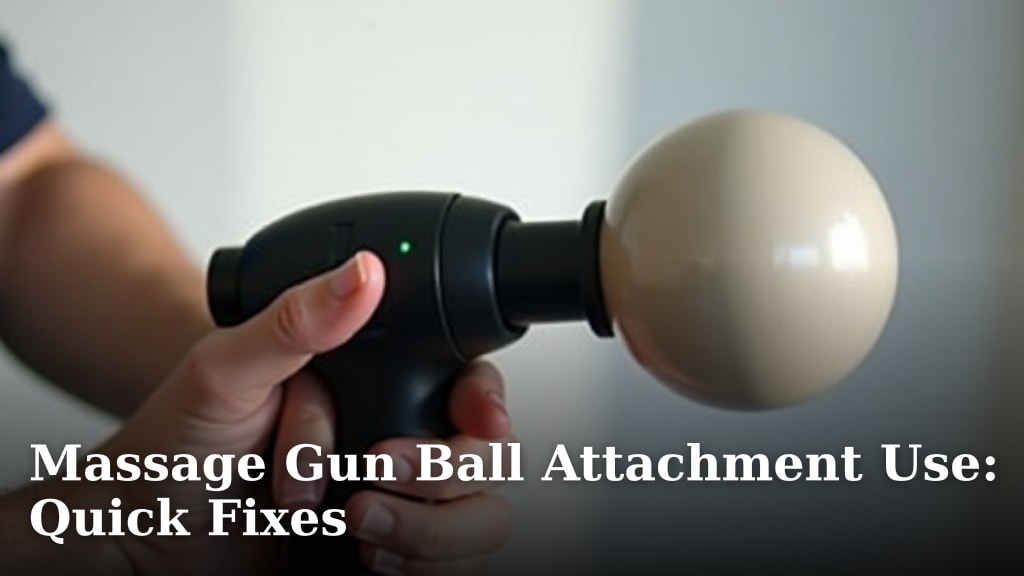
The massage gun ball attachment is great for quick muscle relief. It works
Making the Most of Your Massage Gun Ball Attachment
Your massage gun’s ball attachment is a workhorse. It’s perfect for targeting larger muscle groups. Think of it as your go-to for general soreness. It can help you feel better after a workout. It also works well for everyday stiffness.
Understanding the Ball Attachment’s Strengths
The ball attachment is usually the standard one that comes with your massage gun. Its rounded shape makes it versatile. It’s great for covering a lot of ground. This makes it ideal for areas like your quads, hamstrings, glutes, and back muscles. It’s designed to deliver a broad massage experience.
Where the Ball Attachment Shines Brightest
When you’re feeling that post-exercise ache, this attachment is your friend. It can help reduce muscle tension. It can also help improve blood flow to tired muscles. Many people find it helps with recovery. It’s a solid choice for general maintenance.
Key Benefits You Can Expect
- Muscle Soreness Relief: Eases that achy feeling after exercise.
- Improved Flexibility: May help loosen up tight muscles.
- Faster Recovery: Supports your body’s natural healing process.
- Increased Blood Flow: Helps deliver oxygen and nutrients to muscles.
Quick Fixes for Common Muscle Discomfort
Life happens, and muscles get tight. Maybe you sat too long at your desk. Perhaps you overdid it in the garden. Your ball attachment can offer a quick path to feeling better. It’s about targeted relief without a long recovery time.
Targeting Your Shoulders and Upper Back
Those tight knots in your shoulders can be a real pain. They can lead to headaches. Your ball attachment can help here. Place the gun on your upper traps. Move it slowly across the muscle. You can also target the muscles along your shoulder blades. Be gentle. Listen to your body. Many find relief in just a few minutes (Cleveland Clinic).
Easing Tight Hamstrings and Quads
Sitting for long periods can make your leg muscles feel like concrete. Your hamstrings and quads often bear the brunt. Use the ball attachment on these large muscles. You can sit or lie down for this. Slowly glide the gun up and down the length of the muscle. Avoid the back of your knee. Focus on the fleshy parts of the thigh. This can help release stored tension.
Addressing Lower Back Stiffness
Lower back tightness is incredibly common. It can impact your daily movement. The ball attachment can be used on the large muscles on either side of your spine. Never use it directly on the spine. Keep the gun on the muscular areas. Move it gently. If you have any back conditions, it’s wise to consult a doctor first.
Working on Your Calves and Shins
After a long walk or run, your calves can feel incredibly tight. This can even lead to shin splints. The ball attachment is perfect for these muscles. Apply it to your calf. Move it up and down. You can also target the muscles on the front of your shin. Again, avoid bone and sensitive areas.
How to Use the Ball Attachment Safely and Effectively
Using your massage gun is straightforward. But there are a few tips to keep in mind. Safety comes first. You want to get the most out of your tool.
Setting the Right Speed and Pressure
Start with a low speed setting. This allows your muscles to adjust. As you get used to it, you can increase the speed. For pressure, it should feel firm but not painful. If you feel sharp pain, back off. The goal is relief, not injury. Many experts suggest using a pressure that is tolerable and comfortable (American Physical Therapy Association).
Glide, Don’t Grind
The key is to keep the massage gun moving. Don’t hold it on one spot for too long. Glide it slowly over the muscle. A few seconds per spot is usually enough. Think of it like a slow, broad sweep. Holding it too long can cause bruising or discomfort.
Listen to Your Body’s Signals
Your body will tell you what it needs. If a spot is particularly sore, you might need to spend a little more time there. However, if it feels too intense, move on. Discomfort is okay; sharp pain is not. If you have a recent injury, it’s best to avoid massage guns altogether until you heal.
When to Consider Other Attachments (and When to Stick with the Ball)
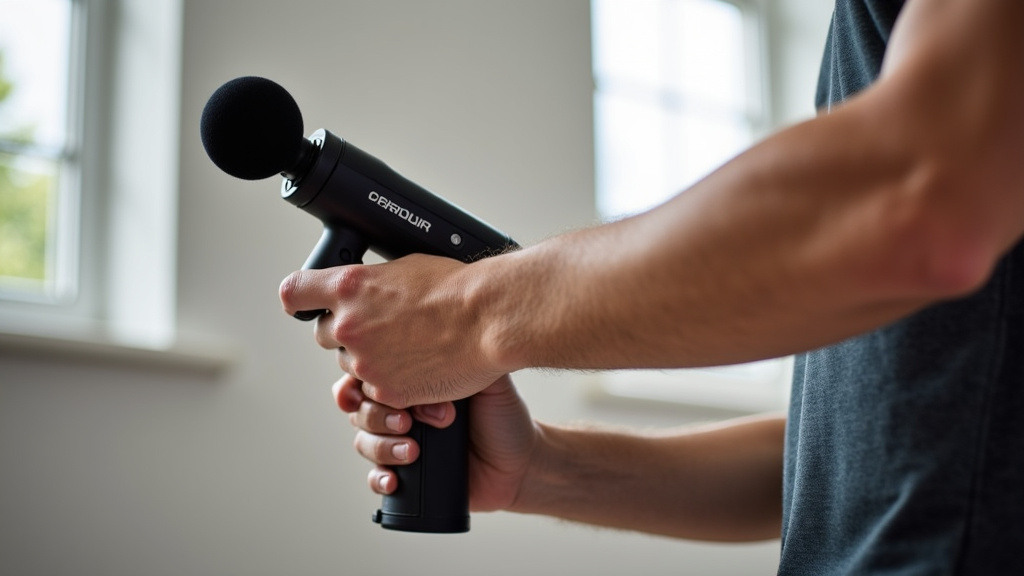
While the ball attachment is a great all-rounder, other shapes serve different purposes. Understanding these helps you choose the right tool for the job. The ball attachment is your default for broad muscle work.
Comparing Ball to Other Common Attachments
You might see attachments like the fork (for spine or tendons), the bullet (for pinpoint knots), or the flat head (for broad, less intense pressure). The ball attachment is ideal when you need to cover a large area. It’s less intense than a bullet attachment for a knot. It’s more direct than a large flat head.
Here’s a quick comparison:
| Attachment | Best For | When to Use Ball Instead |
|---|---|---|
| Ball | Large muscle groups, general soreness, broad massage | When you need general relief and covering wide areas |
| Bullet | Trigger points, small, specific knots | When a knot is very localized and needs pinpoint pressure |
| Fork | Around the spine, neck, achilles tendon | When you need to avoid direct bone contact |
| Flat Head | Broad areas, thighs, chest, less intense massage | When you want a gentler, wider coverage than the ball |
Sticking with the Ball for Daily Relief
For everyday aches and pains, the ball attachment is usually all you need. It’s safe for most large muscle groups. It provides a good balance of pressure and coverage. You don’t need to switch attachments for every little ache. The ball attachment offers a convenient and effective solution for most common muscle issues.
A Quick Checklist for Your Ball Attachment Sessions
Ready to get some relief? Keep these points in mind:
- Start low and slow with speed and pressure.
- Move the gun constantly; don’t dwell on one spot.
- Target large muscle groups like quads, glutes, and back.
- Avoid bony areas and the spine itself.
- Listen to your body; stop if you feel sharp pain.
- Stay hydrated after your session.
Conclusion
You’ve learned how the versatile massage gun ball attachment can be your first line of defense against everyday muscle aches. It’s your go-to for general soreness and stiffness, offering quick relief for large muscle groups like your quads, glutes, and back. Remember to always start with a lower setting, keep the gun moving, and listen to your body’s signals. Don’t be afraid to use this attachment for those tight shoulders or tired legs. Make it a regular part of your self-care routine to keep moving more comfortably.
Frequently Asked Questions
Can I use the ball attachment on my neck?
It’s generally best to be cautious when using any massage gun on your neck. While the ball attachment is designed for broader muscles, the neck area is more sensitive. If you choose to use it, keep the speed and pressure very low. Focus on the thick muscles on the sides of your neck, avoiding the front and spine. Consulting a healthcare professional is always recommended for neck discomfort.
How long should I use the ball attachment on one muscle group?
For quick fixes, aim for 30 seconds to 2 minutes per muscle group. The goal is to relieve tension without causing irritation. If a particular spot feels very sore, you can spend a little more time there, but always move the gun gently. It’s more about consistent, broad strokes than lingering on one area.
Is the ball attachment okay for beginners?
Yes, the ball attachment is usually the best place for beginners to start. Its rounded shape makes it forgiving and suitable for covering larger, less sensitive muscles. Starting with a low speed and pressure allows you to get comfortable with the sensation. You’ll quickly learn how your body responds and adjust accordingly.
What’s the difference between the ball attachment and a flat head attachment?
The ball attachment is rounded and great for deeper work on large muscle groups, offering a more concentrated massage. The flat head attachment is designed for broader areas and typically provides a gentler, less intense massage. Think of the ball for more direct tension release and the flat head for a wider, more diffused effect.
Should I use the ball attachment before or after a workout?
The ball attachment can be beneficial both before and after exercise. Using it for a few minutes before a workout can help warm up your muscles and improve your range of motion. After a workout, it’s excellent for aiding muscle recovery and reducing soreness. Just ensure you adjust the intensity appropriately for each scenario.