Massage Gun Muscle Recovery Science: A Simple Guide
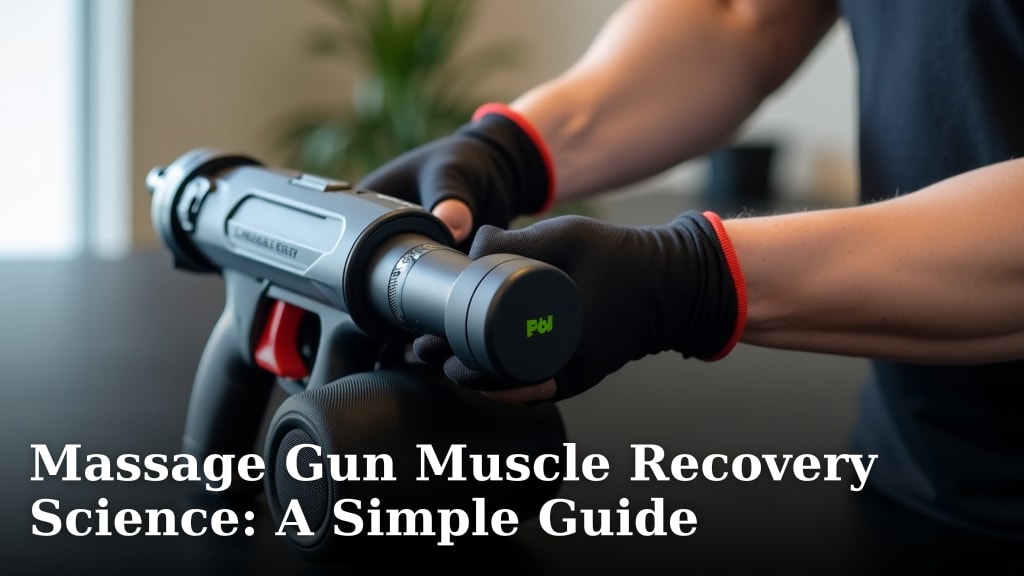
Yes, massage gun muscle recovery science shows that percussive therapy can help reduce muscle soreness and improve range of motion. It works by delivering rapid pulses deep into your muscle tissue, which can increase blood flow and promote healing. This method is often called vibration therapy or percussive massage.
Understanding how massage guns work helps you use them effectively. Research suggests this tool can be a helpful addition to your recovery routine after workouts. It’s designed to target tight spots and knots, providing relief and preparing your muscles for future activity.
- Massage guns help reduce sore muscles.
- They can improve how far you can move your joints.
- Percussive therapy increases blood flow to muscles.
- This can speed up muscle repair after exercise.
Let’s break down the science behind massage guns and how they can help your muscles recover.
How Massage Guns Help Your Muscles Recover: The Science Explained
So, you’ve heard about massage guns and their claims of speeding up muscle recovery. But what’s really going on under the hood? We’re going to break down the science behind these popular devices in a way that makes sense. You’ll learn how they work and why they might be a smart addition to your fitness routine.
Understanding Percussive Therapy: The Core Mechanism
At its heart, a massage gun uses something called percussive therapy. This means it delivers rapid, targeted pulses into your muscle tissue. Think of it like a deep, focused massage. These pulses, or vibrations, can reach deep into muscles to help break up knots and tension.
What Happens When the Gun Hits Your Muscles?
When the massage gun head vibrates, it creates a rapid stretching and releasing action in your muscle fibers. This action can do a few important things for your recovery.
Increased Blood Flow: The Body’s Delivery Service
One of the main ways percussive therapy helps is by increasing blood flow to the treated area. Your blood carries oxygen and nutrients that your muscles need to repair themselves. It also helps carry away waste products that build up after exercise. Research shows that this increased circulation can be very beneficial for muscle healing (NCBI).
Imagine your blood vessels as tiny highways. After a tough workout, there might be a bit of traffic. The pulses from the massage gun help to clear those roads, allowing nutrients to arrive faster and waste to be removed more efficiently. This improved circulation is a key reason for the recovery benefits.
Reducing Muscle Soreness: Easing the Ache
Ever felt that deep ache after a challenging workout? That’s often called Delayed Onset Muscle Soreness, or DOMS. Massage guns can help to ease this soreness. The rapid pulses are thought to help break down adhesions, which are like sticky spots, in your muscle tissue and fascia (the connective tissue surrounding muscles).
By working on these tight areas, the gun can release tension and reduce the sensation of soreness. Many users report feeling less achy and more mobile after using a massage gun. This is a direct benefit you can often feel fairly quickly.
Improving Range of Motion: Moving More Freely
Muscle tightness can limit how far you can move your joints. This is especially true after intense exercise or if you sit for long periods. Percussive therapy can help to loosen up stiff muscles and fascia. This can lead to an improvement in your range of motion, meaning you can bend and stretch more easily.
Think about a stiff door hinge. It squeaks and is hard to open. A bit of lubrication helps it move smoothly. Massage guns act like that lubricant for your muscles, helping them to move with less restriction. This can be great for athletes and for everyday comfort alike. Improved flexibility is a noticeable advantage for many.
The Science Behind the Pulses: More Than Just a Vibe
It’s easy to think of a massage gun as just a vibrating toy. But the science behind its effectiveness is quite interesting. The type of therapy it uses has a specific name and purpose.
Vibration Therapy vs. Percussive Therapy
You might hear terms like “vibration therapy” or “percussive therapy.” While they sound similar, percussive therapy typically involves a more direct and forceful application to the muscle. Vibration therapy can be broader and less targeted.
Massage guns are designed for percussive therapy. They aim to deliver short, intense bursts of pressure that penetrate deep into the muscle. This differs from simple vibration, which might just shake the surface. The depth and frequency of these pulses are carefully calibrated to achieve specific results.
How Depth and Frequency Matter
The effectiveness of a massage gun often comes down to its specifications. These include the amplitude (how deep the head moves) and the frequency (how fast it pulses, measured in beats per minute or BPM).
Different settings allow you to target different issues. For example, a lower frequency might be good for warming up muscles before a workout. A higher frequency and amplitude might be better for breaking up deep knots after exercise. Research indicates that different frequencies can have varying effects on muscle tissue and nerve responses (Cleveland Clinic).
Trigger Points and Muscle Knots: What Are They?
You know those super tender spots in your muscles that feel like a knot? Those are often called trigger points. They can cause pain both at the spot and elsewhere in your body. Massage guns are excellent tools for working on these areas.
By applying targeted pressure and vibration to a trigger point, the massage gun can help to release the tightened muscle fibers. This can provide significant relief and reduce referred pain. It’s like untying a tight knot in a rope; once released, the rope can move freely again.
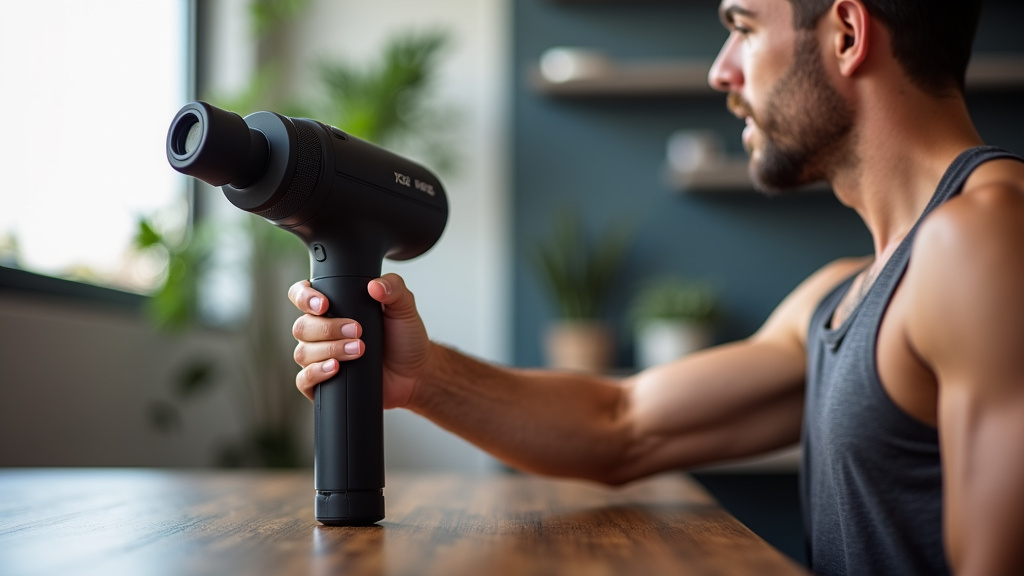
Research and Findings: What the Studies Say
When considering any new recovery tool, it’s good to look at what research supports its use. Thankfully, there’s a growing body of evidence for percussive therapy.
Impact on Muscle Recovery and Performance
Several studies have looked at how massage guns affect athletes. Many found that using percussive therapy can lead to faster muscle recovery after intense exercise. This means less downtime and being ready for your next activity sooner.
Some research also suggests potential benefits for athletic performance, although more studies are needed. By reducing muscle soreness and improving flexibility, massage guns might help athletes feel better prepared and more capable.
Reducing Inflammation: A Natural Process
Intense exercise can cause a small amount of inflammation in your muscles. This is a normal part of the healing process. However, too much or prolonged inflammation can slow down recovery.
The increased blood flow that massage guns provide can help to carry away inflammatory markers from the muscle tissue. This helps to manage inflammation and support the body’s natural repair processes. Many guidelines for sports recovery include methods that improve circulation to help manage muscle inflammation.
Using Your Massage Gun Wisely: A Practical Checklist
Now that you understand the science, how do you put it into practice? Here’s a simple checklist to guide you:
- Warm-up First: Use lighter settings before workouts to prep your muscles.
- Target Sore Spots: Focus on areas that feel tight or achy after exercise.
- Move It Around: Don’t stay on one spot for too long; keep the gun moving.
- Listen to Your Body: If it causes sharp pain, stop or adjust the setting.
- Stay Hydrated: Drink plenty of water to aid your body’s natural recovery.
- Combine with Other Methods: Use it alongside stretching and proper rest.
When to Use Your Massage Gun
You can use your massage gun in a few different scenarios:
- Before Exercise: To help warm up muscles and increase blood flow. This can make you feel more ready to move.
- After Exercise: To help reduce muscle soreness and speed up recovery. This is where many people find the most benefit.
- On Rest Days: To address areas of tightness and maintain flexibility. This can help prevent future issues.
Different Attachments, Different Goals
Most massage guns come with various attachment heads. These are designed for different parts of your body and types of muscle tissue.
For example, a large, rounded head is good for large muscle groups like your quads or hamstrings. A smaller, pointed head might be used for smaller, more specific areas. Some heads are softer, while others are harder. Choosing the right attachment helps you get the most out of your session. It ensures you’re applying the right kind of pressure.
| Attachment Type | Best For | Notes |
|---|---|---|
| Large Round Ball | Large muscle groups (legs, back, arms) | Good for general use and warming up. |
| Bullet / Cone | Specific trigger points, deep knots | Use with caution; can be intense. |
| Flat Head | Dense muscle areas, broad application | Versatile for many muscle groups. |
| Fork / U-Shape | Muscles along the spine, neck, Achilles | Helps isolate muscle groups. |
Conclusion
You’ve learned how massage guns use percussive therapy to help your muscles recover. The science shows that increased blood flow, reduced soreness, and better range of motion are real benefits. By understanding how depth and frequency matter, you can use your device more effectively. Remember to use it wisely, listening to your body and choosing the right attachments. Start incorporating it into your routine to experience these recovery advantages yourself.
Frequently Asked Questions
Can a massage gun really help sore muscles after a tough workout?
Yes, research shows that the percussive therapy from massage guns can help reduce muscle soreness, often referred to as DOMS. By increasing blood flow and working on tight muscle fibers, they help ease that post-exercise ache.
How often should I use a massage gun for muscle recovery?
You can typically use a massage gun daily, especially on rest days or after workouts. However, always listen to your body. If you experience any sharp pain, it’s best to reduce the frequency or intensity of your sessions.
Is it safe to use a massage gun on my neck or spine?
It’s generally not recommended to use a massage gun directly on your neck bones or along your spine. Focus on the surrounding muscle groups. Use attachments like the fork head with caution and avoid direct bone contact to prevent injury.
Will using a massage gun improve my athletic performance?
While the primary benefit is recovery, improved muscle function from reduced soreness and better range of motion can indirectly aid performance. Some studies suggest potential benefits, but more research is needed in this specific area.
What’s the difference between vibration therapy and percussive therapy?
Percussive therapy, used by massage guns, involves rapid, forceful pulses that penetrate deep into the muscle. Vibration therapy can be broader and less targeted, sometimes affecting only the surface muscles.